Category: Pregnancy & Maternity

September 14, 2026

Hysterectomy Recovery: A Week by Week Guide to What to Expect

Women schedule a hysterectomy for all kinds of reasons. Fibroids that have taken over the calendar. Bleeding that ruined the last three vacations. Endometriosis that stopped responding to anything. Prolapse, adenomyosis, occasionally cancer. The decision is usually years in the making, and by the time it is made, most patients have read a great deal about the surgery itself and very little about hysterectomy recovery.

What surprises them is that the surgery is the short part. The operation takes a couple of hours. The recovery takes weeks, and it is the stretch nobody describes in enough detail beforehand.

This guide walks through those weeks. It is written for the minimally invasive approaches we perform most often at Elite Women’s Care in Hoffman Estates: vaginal, laparoscopic, and robotic.
One caveat before anything else. Your surgeon’s instructions override every general timeline, this one included. Hysterectomy recovery varies with the approach used, whether the ovaries came out, your age, your general health, and what was found once surgery began. Read this as a map, not a schedule.

The Approach Sets the Pace

ApproachHospital stayBack to desk workFull recoveryPelvic rest
VaginalSame day or one night2 to 3 weeks3 to 4 weeks6 to 8 weeks
LaparoscopicSame day or one night2 to 3 weeks3 to 4 weeks6 to 8 weeks
Robotic, da VinciSame day or one night2 to 3 weeks3 to 4 weeks6 to 8 weeks
Open abdominal2 to 3 days4 to 6 weeks6 to 8 weeks6 weeks

That gap is the whole argument for minimally invasive surgery. Hysterectomy recovery time after an open abdominal procedure runs roughly double, with more blood loss, more pain medication, and a longer stay.

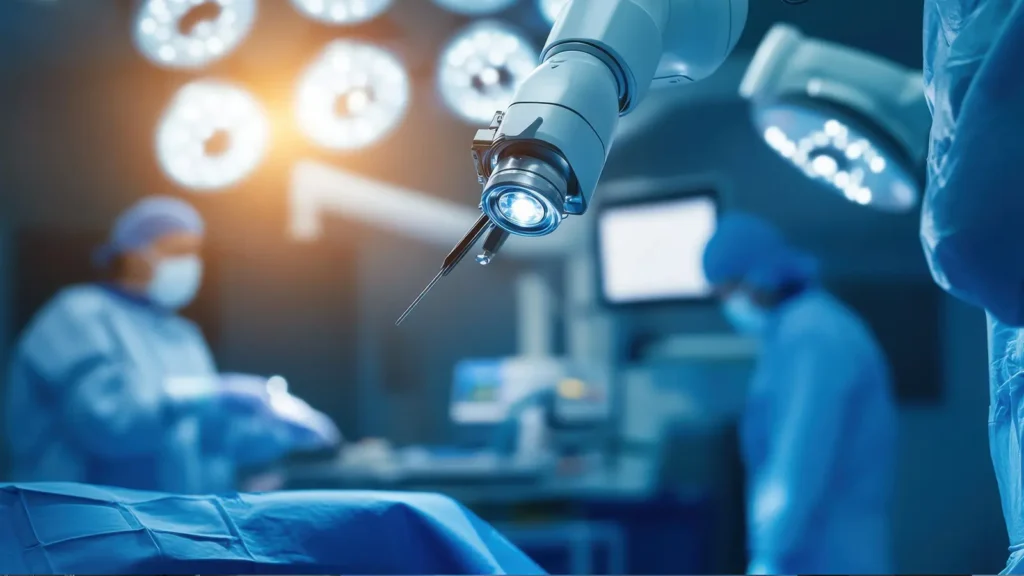
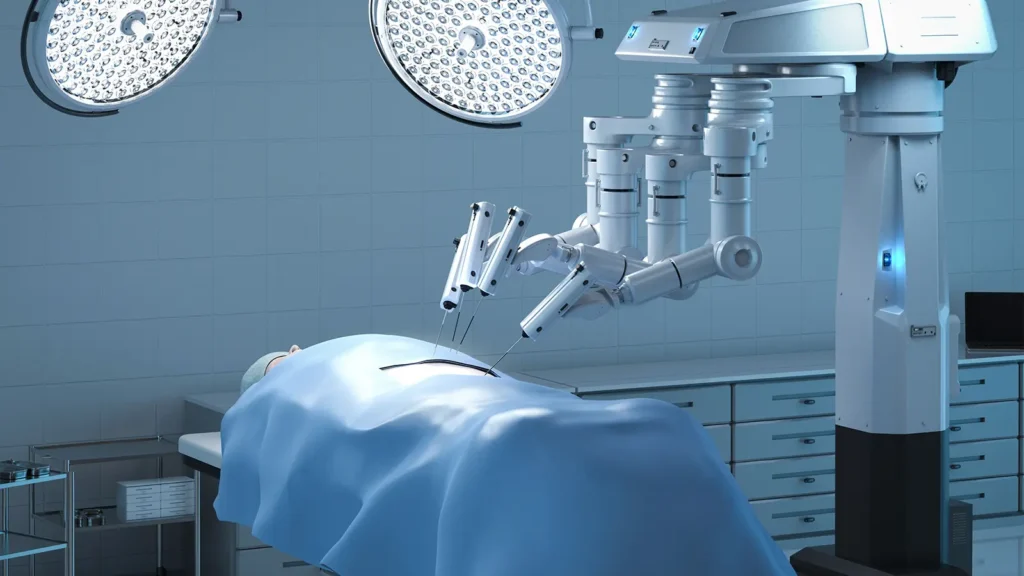
Patients researching robotic hysterectomy da Vinci options usually want to know what the robot actually changes. It is not autonomous. Your surgeon operates every instrument from a console a few feet away, gaining three dimensional magnification and wristed instruments that rotate further than a human hand inside a small space. The benefit shows up as smaller incisions and, for many patients, a shorter laparoscopic hysterectomy recovery than the open alternative would have allowed.

Days One Through Seven

You will likely go home the same day or the next morning. Expect to feel worse on day three than on day one, which catches almost everyone off guard. The anesthesia has fully cleared by then and the initial adrenaline is gone.

Hysterectomy recovery begins with walking, which is the single most useful thing you can do this week. Short trips around the house, several times a day, nothing that leaves you winded. Movement reduces the risk of blood clots and helps the bowel wake up, which is often the real source of discomfort early in a laparoscopic hysterectomy recovery. The gas used to inflate the abdomen can settle under the diaphragm and produce shoulder pain that has nothing to do with your shoulder.

Nothing goes in the vagina. No tampons, no douching, no intercourse. The vaginal cuff is a fresh internal incision and it needs the full course of healing. Light bleeding or pink discharge is normal and may come and go for several weeks. Keep the lifting limit at ten pounds, which is roughly a full gallon of milk.

Rest is not optional and it is not laziness. Patients who push through week one reliably lose ground in week two.

Weeks Two and Three

This is the least predictable stretch of hysterectomy recovery. Energy usually returns in uneven bursts. A good morning followed by an afternoon on the couch is the normal pattern rather than a setback.

Return to work is the part of hysterectomy recovery time most patients plan around, and it depends far more on the job than on the surgery. Most patients stop prescription pain medication during this stretch, and driving becomes reasonable once you are off it and can brake hard without hesitating. Desk work is often manageable around week two or three, part time at first if your employer allows it. Anyone whose job involves lifting, standing all day, or physical labor should plan on longer.

The ten pound limit stays. So does pelvic rest. Showers are fine, baths and pools are not until your surgeon clears them.

This is also when the question of what to expect after a hysterectomy shifts from physical to practical. Patients start asking about exercise, travel, and when they will feel like themselves. The honest answer is that walking can increase steadily now, while everything else waits for the six week visit.
Weeks Four Through Six

Patients start asking what to expect after a hysterectomy at the six week mark, and this is the stretch that decides it. By week four most women are moving through a normal day without planning around it. Fatigue lingers, particularly in the late afternoon, and it is the last symptom to leave.

You can lengthen walks, add gentle stretching, and return to most household routines. Avoid core work, heavy lifting, running, and anything that strains the abdominal wall. Internal healing is not finished simply because the external incisions have closed, and this is the point in hysterectomy recovery where patients most often overdo it. Most published hysterectomy recovery time estimates quietly assume nobody does.

Vaginal bleeding should be tapering off. A brief increase after a more active day is common. A sudden heavy bleed is not, and it warrants a call.

After the Six Week Visit

The six week appointment is when we examine the vaginal cuff and clear you for intercourse, lifting, and exercise, sometimes in stages rather than all at once. A vaginal or laparoscopic hysterectomy recovery often ends with pelvic rest extended closer to eight weeks, depending on how the cuff looks.

Full hysterectomy recovery for minimally invasive surgery lands around three to four weeks for daily function and six to eight weeks for strenuous activity. Deep fatigue can persist a little past that, especially if you were anemic before surgery from heavy bleeding, which is common in women who had a hysterectomy for fibroids.

Life after hysterectomy is, for most patients, defined by what stopped rather than what changed. No more periods. No more planning a wardrobe around bleeding. For women who chose hysterectomy for fibroids or adenomyosis after years of symptoms, the relief tends to arrive well before the physical recovery finishes. Life after hysterectomy, when the ovaries remain in place, changes far less than most patients fear.

Hormones, and the Part Nobody Warns You About

If your ovaries were left in place, you will not enter surgical menopause. Your hormones continue as before, and you simply stop menstruating. Some women reach natural menopause modestly earlier than they otherwise would have.

If your ovaries were removed, menopause begins immediately, and it arrives without the gradual ramp that normally softens it. Hot flashes, sleep disruption, and mood changes can start within days. Recovery is not only physical, and this is worth discussing thoroughly before surgery rather than after, because hormone therapy is an option for many women and the conversation is easier when it happens in advance.

There is an emotional dimension to life after hysterectomy that medical guides tend to skip. Relief and grief can occupy the same week, particularly for younger patients and for anyone whose surgery closed the door on future pregnancy. Both reactions are ordinary. Neither means the decision was wrong, and telling us about it is not a complaint.

When to Call Us

Some symptoms are worth a phone call the same day rather than waiting for your next appointment:

  • A fever above 100.4 degrees Fahrenheit
  • Heavy bleeding that soaks a pad in an hour, or passing large clots
  • Foul smelling vaginal discharge
  • Pain in one calf, or swelling and warmth in one leg
  • Chest pain or shortness of breath
  • Severe abdominal pain that is worsening rather than easing
  • Redness, drainage, or opening at an incision
  • Inability to urinate, or burning that keeps getting worse

None of these are common. All of them are treatable when caught early, and none of them are an imposition on our time.

Questions Patients Ask Before Surgery

The answers below cover what to expect after a hysterectomy once the week by week timeline is behind you.

Will I still need Pap tests?

Often yes, depending on why the uterus was removed and whether the cervix came out with it. We will tell you specifically at your follow up rather than leaving you to guess.

Does a hysterectomy affect sex?

Most women report the same or better, largely because the pain and bleeding that prompted the surgery are gone. Some notice a difference in sensation. Vaginal dryness is common when the ovaries are removed and is treatable.

How long before I can travel?

Short trips after about two weeks. Long flights are usually delayed to four to six weeks because of clot risk, and a shorter hysterectomy recovery time does not change that guidance much.

Why does everyone quote a different number?

Because the approach, the reason for surgery, and the individual all move the timeline. A published hysterectomy recovery time is an average, and averages describe populations rather than patients.

Before You Decide

A hysterectomy for fibroids, bleeding, or endometriosis is not the only answer, and it should never be the first one offered. Whether a robotic hysterectomy da Vinci approach, a laparoscopic one, or no surgery at all fits your situation is a decision worth taking slowly. Ablation, hormonal management, and uterine sparing procedures are worth exhausting first for many women.

If you are weighing the decision, or you have scheduled surgery and want a clearer picture of what to expect after a hysterectomy in your specific case, our board certified gynecologists in Hoffman Estates will walk through the options, the evidence for robotic hysterectomy da Vinci surgery in your case, and the realistic laparoscopic hysterectomy recovery ahead of you. Call (847) 781-1894 to schedule a consultation.

This article is general information and does not replace medical advice from your own physician.
June 26, 2026

PCOS Symptoms Most Women Overlook: When It Is Time to See a Doctor

Polycystic ovary syndrome affects approximately one in ten women of reproductive age, yet it remains one of the most underdiagnosed conditions in women’s health. Part of the problem is that PCOS symptoms in women are often subtle, easy to dismiss, or simple to attribute to something else entirely. An irregular cycle gets blamed on stress. Weight that will not shift gets chalked up to diet. Breakouts in adulthood feel like a holdover from teenage years.

But PCOS is not a minor inconvenience. It is a hormonal and metabolic condition with real consequences for long-term health, fertility, and daily quality of life. Recognizing the signs early is the most important step toward managing it effectively.

What PCOS Actually Is

Despite its name, not every woman with PCOS has visible cysts on her ovaries. The condition is better understood as a hormonal imbalance characterized by elevated levels of androgens (commonly referred to as male hormones), disrupted ovulation, and, in many cases, insulin resistance. These three features do not always appear together, which is part of why diagnosis is often delayed.

The exact cause is still being studied, but genetics, chronic low-grade inflammation, and metabolic factors all appear to contribute. PCOS symptoms in women can vary significantly from one person to the next, which is another reason the condition goes unrecognized for so long. What looks like PCOS in one patient can look quite different in another.

Signs That Are Easy to Miss

Polycystic ovary syndrome signs are frequently overlooked not because they are rare but because they are so common in other conditions that they rarely trigger alarm on their own. The full picture of PCOS symptoms in women becomes clearer when these signs appear together rather than in isolation.

SymptomWhat It May Indicate
Irregular or missed periodsDisrupted ovulation
Excess hair on face, chest, or abdomenElevated androgen levels
Hair thinning or shedding on the scalpAndrogen sensitivity
Persistent acne along the jaw and chinHormonal imbalance
Darkened skin patches in armpits or neckInsulin resistance
Unexplained fatigueMetabolic disruption

Polycystic ovary syndrome signs become clinically significant when two or more appear together, particularly when they have been present for several months or longer. No single symptom confirms a PCOS diagnosis, but patterns matter and are worth discussing with a provider.

PCOS and Irregular Periods

One of the most consistent indicators of PCOS is a disrupted menstrual cycle. PCOS and irregular periods are closely linked because the condition interferes with regular ovulation. Without consistent ovulation, the uterine lining does not shed on a predictable schedule, producing cycles that are irregular in timing, duration, or both.

Some women with PCOS experience cycles that arrive every two or three months. Others may have very heavy or prolonged bleeding when their period does come. A smaller number stop menstruating altogether for extended periods.

PCOS and irregular periods are not simply a reproductive inconvenience. When the uterine lining does not shed on a regular basis, it can accumulate over time and raise the risk of endometrial hyperplasia, a condition that, if left unmanaged, increases cancer risk. This is one reason that addressing PCOS matters even for women who are not currently focused on fertility. Managing the cycle is part of managing long-term health.

The Hormonal Connection to Weight

PCOS and weight gain are often connected in a cycle that feels almost impossible to break. Elevated androgen levels and insulin resistance, both common features of PCOS, make the body biologically more inclined to store fat, particularly around the abdomen, while responding less efficiently to caloric restriction.

Many women with PCOS report working just as hard as or harder than women without the condition, with far fewer visible results. That is not a motivation problem. It is a physiology problem, and recognizing it as such changes how both patients and providers approach treatment.

PCOS and weight gain reinforce each other in a difficult loop. Excess body fat worsens insulin resistance, which in turn worsens hormonal imbalance, which makes weight management harder still. Addressing this loop requires treating the hormonal and metabolic component of PCOS directly, not just applying more behavioral interventions and expecting different results.

How PCOS Affects Fertility

PCOS and fertility problems are among the most distressing aspects of the diagnosis for women who are trying to conceive. Because PCOS disrupts ovulation, conception becomes less predictable and, for some women, significantly more difficult. PCOS is one of the most common causes of ovulatory infertility in women of reproductive age.

The encouraging reality is that PCOS and fertility problems do not rule out pregnancy. The majority of women with PCOS can conceive with the right medical support. Treatment options range from lifestyle adjustments and oral medications to stimulate ovulation, to more targeted fertility interventions when initial approaches are not sufficient.

An OB-GYN experienced with PCOS will evaluate your cycle, hormone levels, and overall health picture before recommending a course of action. Starting that conversation early, even before actively trying to conceive, gives you more options and more time to work with.

How the Diagnosis Is Made

The PCOS diagnosis process typically follows criteria known as the Rotterdam criteria, which require at least two of the following three findings: irregular or absent ovulation, clinical or biochemical evidence of elevated androgens, and polycystic ovarian morphology visible on ultrasound.

In practice, your appointment will begin with a detailed health history, including questions about your menstrual cycle, current symptoms, and family history. Blood tests will assess hormone levels including testosterone, LH, FSH, and often insulin and glucose to screen for insulin resistance. An ultrasound may be ordered to examine the ovaries directly.

The PCOS diagnosis process is not a single definitive test. It is a clinical picture assembled from multiple data points over the course of a thorough evaluation. Because thyroid disorders, adrenal conditions, and other hormonal imbalances can produce similar symptoms, ruling those out is a standard part of the process.

Treatment Approaches That Address the Cause

PCOS treatment options are tailored to each patient’s specific concerns and goals. There is no universal protocol because the condition presents differently in different women and because priorities vary depending on where a patient is in her life.

For menstrual regulation, hormonal contraceptives including oral birth control pills, the patch, or the hormonal ring are frequently prescribed to regulate the cycle and reduce androgen levels. Progesterone therapy is an alternative for women who cannot use estrogen-containing methods.

For insulin resistance, metformin is commonly used to improve insulin sensitivity and address one of the core metabolic drivers of the condition. For fertility, letrozole is the first-line ovulation-stimulating medication for women with PCOS who are trying to conceive, with clomiphene as an additional option.

For specific symptoms like excess facial hair and persistent acne, anti-androgen medications and targeted treatments can address those concerns directly. PCOS treatment options work best when the condition is treated as the systemic hormonal issue it is, rather than addressing each symptom separately without connecting back to the underlying cause.

When to Make the Appointment

PCOS symptoms in women are often present for years before a formal diagnosis is reached. Research consistently shows that the average time from symptom onset to diagnosis is more than two years. That gap exists in large part because symptoms are so frequently dismissed or attributed to stress, lifestyle, or unrelated causes.

If your menstrual cycle has been irregular for more than a few months, if you recognize several of the symptoms described in this article, or if you have concerns about your hormonal health, an appointment with an OB-GYN is the right next step. You do not need to have every symptom on the list, and you do not need to be actively trying to conceive to seek evaluation.

PCOS is a manageable condition. Early diagnosis consistently leads to better outcomes across every dimension of the condition, from reproductive health to metabolic health to daily quality of life. An OB-GYN with experience in PCOS will listen carefully, order the appropriate tests, and work with you to build a plan that fits your situation and your goals. PCOS symptoms in women are not something to simply wait out. The sooner you have that conversation, the sooner you have real answers.

April 20, 2026

5 Questions You Should Ask Your Doctor During Your Annual Check-up

If you are scheduling your annual OBGYN check-up in Hoffman Estates, you are taking a vital step toward long term vitality. Navigating women’s healthcare in the Northwest Suburbs has evolved significantly in 2026, moving beyond simple screenings toward a more integrated, holistic approach to female longevity. Modern medicine now emphasizes that a doctor’s visit is a collaborative partnership where your data and your lifestyle meet clinical expertise.

Your yearly visit is more than just a box to tick on your to do list; it is a dedicated hour to advocate for your future self. Whether you are visiting a gynecologist in Hoffman Estates, IL, for the first time or returning to a trusted provider, the quality of care you receive often depends on the quality of the questions you ask. In an era where digital health records and wearable biometrics provide more information than ever, using your appointment to decode these trends is essential.

“Caring for your health is the highest form of self respect; it is the soil from which every other dream in your life grows.”

“

1. “Based on my current life stage and family history, what is my personalized screening schedule?”

In 2026, the one-size-fits-all model of medicine is officially a thing of the past. When you attend a well-woman exam in Illinois, your provider should be looking at your health through a genomic and lifestyle lens. We now understand that environmental factors in the Northwest Suburbs from local air quality to seasonal activity levels: interact with your unique genetic makeup.

While a yearly pelvic exam and Pap smear remain foundational, the frequency of these tests may vary based on your HPV status, previous results, and age. Ask your doctor about:

  • Genetic Risk Assessments: Should you be screened for BRCA mutations or other hereditary markers that might influence your preventative plan?
  • Bone Density: If you are approaching perimenopause or have a history of fractures, is it time for a baseline DEXA scan to monitor your skeletal integrity?
  • Advanced Imaging: For those with dense breast tissue, would a 3D mammogram or supplemental ultrasound be more effective than standard imaging?
  • Metabolic Markers: How do your insulin levels and inflammatory markers impact your reproductive longevity?

2. “How do my current hormone levels align with my energy, mood, and cycle?”

Hormone balance is a pillar of women’s preventative health care near me. Many women dismiss fatigue, brain fog, or erratic cycles as just part of being a woman, but these are often signals from the endocrine system. In 2026, we focus on the “symptom to solution” bridge, ensuring that your hormonal fluctuations aren’t just managed, but optimized for peak performance.

Reproductive Health & Hormonal Vitality

During your comprehensive gynecological care in IL, discuss any shifts in your libido, sleep patterns, or skin health. In modern practice, doctors are increasingly looking at the Female Bio Data; the intersection of your thyroid health, adrenal function, and ovarian reserve. This conversation ensures that if you are transitioning into a new life stage, such as perimenopause or postpartum, you have the hormonal support needed to thrive rather than just endure. Your hormones are the chemical messengers of your body; understanding their rhythm is key to long term neurological and cardiovascular health.

3. “What lifestyle adjustments can I make now to protect my pelvic floor and bladder health?”

Pelvic health is no longer a taboo topic reserved for postpartum recovery. It is a functional necessity for women of all ages in the Northwest Suburbs. Whether you are an avid runner at the Hoffman Estates Park District, a yoga enthusiast, or someone focusing on low impact wellness, your pelvic floor strength impacts your daily comfort and long term confidence.

Ask about:

  • Pelvic Floor Physical Therapy: A referral isn’t just for problems; it can be preventative to ensure core stability as you age.
  • Sexual Wellness: Discuss any pain, dryness, or discomfort without hesitation; modern 2026 treatments offer non invasive solutions that were unavailable just a few years ago.
  • Integrative Nutrition: How your diet and hydration levels affect inflammation in the pelvic region and support bladder lining health.
  • Functional Movement: Are your current exercise habits supporting or straining your internal support structures?

4. “How is my cardiovascular health specifically being monitored?”

Recent medical shifts have highlighted that heart disease often presents differently in women than in men, often appearing as subtle fatigue or sleep disturbances. A women’s wellness clinic in the Northwest Suburbs should prioritize the silent markers of heart health. Ensure your doctor reviews your blood pressure, lipid panel, and blood sugar levels through the lens of female physiology, especially as estrogen levels fluctuate.

Mental Wellness & The Heart Brain Connection

Mental health is physical health. Ask your doctor how stress, anxiety, or burnout might be manifesting physically in your body. In 2026, we recognize that chronic cortisol elevation directly impacts reproductive health, cardiac longevity, and even gut microbiome diversity. A well-woman visit is the perfect time to discuss the stressors of balancing modern life in Illinois and how they impact your physiological “bottom line.”

5. “What new technologies or treatments are available for my specific concerns?”

The landscape of a gynecologist in Hoffman Estates, IL, is rapidly changing. From AI assisted ultrasound interpretations that catch issues earlier to new non hormonal treatments for vasomotor symptoms like hot flashes, there may be solutions available today that didn’t exist during your last visit.

Modern 2026 healthcare often includes:

  • Telehealth Integration: Can routine follow ups or lab reviews be done via secure video to fit your busy schedule?
  • Smart App Synchronization: Can your doctor review the data from your wearable health tracker to see trends in your resting heart rate or sleep cycles?
  • Personalized Supplements: Moving beyond generic multivitamins toward targeted nutrients based on your blood work.
    Always ask, “Is there a newer, more effective, or less invasive way to manage this?”

Routine Physical vs. Comprehensive Well-Woman Exam

It is a common misconception that a general physical covers all your bases. While both are important, they serve very different purposes for women’s preventative health care near me. A physical looks at the machine; a well-woman exam looks at the intricate biological systems that define female health.

FeatureRoutine Physical (Internal Medicine)Comprehensive Well-Woman Exam (OBGYN)
Primary FocusGeneral systemic health (Heart, Lungs, Liver)Reproductive, sexual, and hormonal health
Key ScreeningsCholesterol, Glucose, BMI, ReflexesPelvic exam, Pap smear, Breast exam, Vulvar health
Hormonal ReviewGeneral (Thyroid/Diabetes)Specialized (Estrogen, Progesterone, Menopause transition)
Breast HealthBasic visual checkClinical exam + Referral for specialized 3D imaging
Contraception/FertilityMinimal discussionDeep dive into family planning, egg health, and libido

Pro Tip: Preparing for Your Visit

  • Track Your Cycle: Bring a 3-month log of your periods, including flow intensity, spotting, and mood shifts.
  • The Family Tree: Have a quick list of any family history regarding cancers, autoimmune issues, or early menopause.
  • Medication & Supplement List: Include everything, especially Vitamin D, B12, and any herbal support, as these impact your annual OBGYN check-up in Hoffman Estates.
  • The Top 3 Rule: Write down your three most pressing concerns first so they don’t get lost in the shuffle of the physical exam.

Own Your Narrative: Redefining Wellness in Hoffman Estates

Scheduling your yearly pelvic exam and Pap smear is the ultimate act of self advocacy and a commitment to your future. In 2026, preventative care is no longer about “waiting for a problem”: it is about proactive optimization and life long vitality. By visiting a women’s wellness clinic in the Northwest Suburbs that prioritizes personalized care, you aren’t just looking for problems; you are building a foundation for a healthier, more vibrant version of yourself.

The goal of comprehensive gynecological care in IL is to ensure that every woman in Hoffman Estates feels heard, validated, and equipped with a clear roadmap for the year ahead. Your health is your most valuable asset, and your doctor is your most important consultant. Don’t be afraid to take up space, ask the “awkward” questions, and demand a care plan as unique as your own DNA.

March 19, 2026

5 Reasons You Can’t Skip Your Annual Well Woman Exam (Even If You Feel Great)

Navigating the complexities of modern wellness often feels like a full time job, yet one cornerstone of your health strategy remains elegantly simple: the annual well woman exam. Understanding why are well woman exams important is the first step toward reclaiming agency over your long term vitality. It is easy to assume that if you feel perfectly healthy, a trip to the doctor is redundant, but this mindset ignores the subtle power of proactive medicine.

True wellness is not merely the absence of disease, but the active pursuit of longevity through informed preventative care for women. By scheduling your annual gynecological checkup benefits you far beyond a simple chart review; it establishes a baseline for your unique physiological narrative. When you prioritize these visits, you are essentially investing in a safety net that catches potential issues long before they manifest as symptomatic concerns.

Many individuals find themselves asking when to schedule a GYN exam, often waiting until a specific symptom arises. However, the true utility of these appointments lies in their consistency during periods of absolute health. Consistency acts as your primary defense, allowing your physician to identify incremental changes in your health profile that might otherwise go unnoticed.

When you reflect on what happens during a well woman exam, you realize it is a comprehensive dialogue between you and your provider. From specialized screenings to insightful discussions about your reproductive and hormonal health, this encounter is designed to harmonize your lifestyle choices with your medical reality. Let us explore the five fundamental pillars that make this visit essential.

1. Early Detection of Silent Conditions

The primary reason to prioritize these visits is the silent nature of many health issues. Preventative care for women focuses on identifying abnormalities that do not present immediate symptoms. Through the items on your women’s health screenings checklist, your doctor can detect subtle markers of diseases like cervical or breast cancer, which are significantly more treatable when caught early.

Knowing when to schedule a GYN exam is the difference between a routine intervention and a complex recovery process. Annual screenings allow for:

  • Detection of early stage cell changes.
  • Baseline measurements for cholesterol and blood pressure.
  • Assessment of reproductive health trends.

By consistently asking why are well woman exams important, you affirm that your health deserves proactive management rather than reactive desperation.

2. Personalized Risk Assessments

Every woman has a unique genetic and lifestyle profile, which is why a one size fits all approach is ineffective. When you consider what happens during a well woman exam, you find a personalized consultation that evaluates your specific risk factors. This is where the annual gynecological checkup benefits become deeply personal, as your provider tailors advice based on your family history and personal goals.

Your physician uses the women’s health screenings checklist to determine if you need additional specialized testing. This tailored approach ensures that:

  • Your health plan evolves with your age.
  • Preventative care for women is customized to your genetic markers.
  • You receive expert guidance on managing stress and hormonal fluctuations.

This level of customization is a hallmark of premium medical care, ensuring you are not just a patient, but an individual with a specific, curated wellness strategy.

3. Maintaining Hormonal Equilibrium

Hormones govern everything from your energy levels to your mood and cognitive function. A critical aspect of what happens during a well woman exam involves discussing these internal shifts. Understanding why are well woman exams important includes recognizing that your endocrine system requires regular professional oversight to remain balanced.

The annual gynecological checkup benefits are particularly evident during transitions like perimenopause or periods of high stress. Your doctor can help you:

  • Track hormonal patterns over time.
  • Identify signs of thyroid or metabolic imbalances.
  • Develop strategies for long term hormonal stability.

If you are ever unsure when to schedule a GYN exam, remember that early symptoms of imbalance are best addressed before they impact your daily vitality.

4. Establishing a Trusted Medical Baseline

A robust health record is your greatest asset. When you maintain a consistent schedule of visits, your provider builds a detailed history. This baseline is essential for accurately interpreting future data points from your women’s health screenings checklist. Without this longitudinal data, it is difficult to distinguish between what is normal for you and what constitutes a deviation.

Knowing when to schedule a GYN exam creates a predictable rhythm in your life. This consistency allows for:

  • Improved communication with your medical team.
  • Faster identification of health anomalies.
  • A deeper understanding of what happens during a well woman exam.

These annual gynecological checkup benefits create a sense of security, knowing that your health trajectory is being monitored by someone who understands your unique physiological history.

5. Empowering Your Health Literacy

The most profound benefit of these appointments is the education you receive. Learning what happens during a well woman exam empowers you to take ownership of your body. When you know why are well woman exams important, you become a more confident advocate for your own health in all other medical settings.

Preventative care for women is not just about the doctor’s actions; it is about your understanding. By utilizing the women’s health screenings checklist, you gain clarity on:

  • Which screenings are relevant to your life stage.
  • How to prepare for future health transitions.
  • The connection between lifestyle choices and medical outcomes.

If you have been wondering when to schedule a GYN exam, consider this your invitation to prioritize your education and long term health security.

Investing in Your Future

The annual well woman exam is more than just an appointment; it is a declaration that your longevity is a priority. By understanding the core value of preventative care for women, you equip yourself with the tools to navigate life with confidence. Each visit reinforces your foundation, ensuring that you remain the architect of your own wellness.

We encourage you to look at your calendar and identify a consistent time for this essential ritual. Whether you are due for specific screenings or simply need to check in on your overall health, the annual gynecological checkup benefits are profound. Prioritizing this time is the single most effective way to protect your future.

Start by consulting your current women’s health screenings checklist and reaching out to your provider today. By scheduling your appointment, you are choosing to walk toward the future with the peace of mind that only true, proactive health management can provide.

February 15, 2026

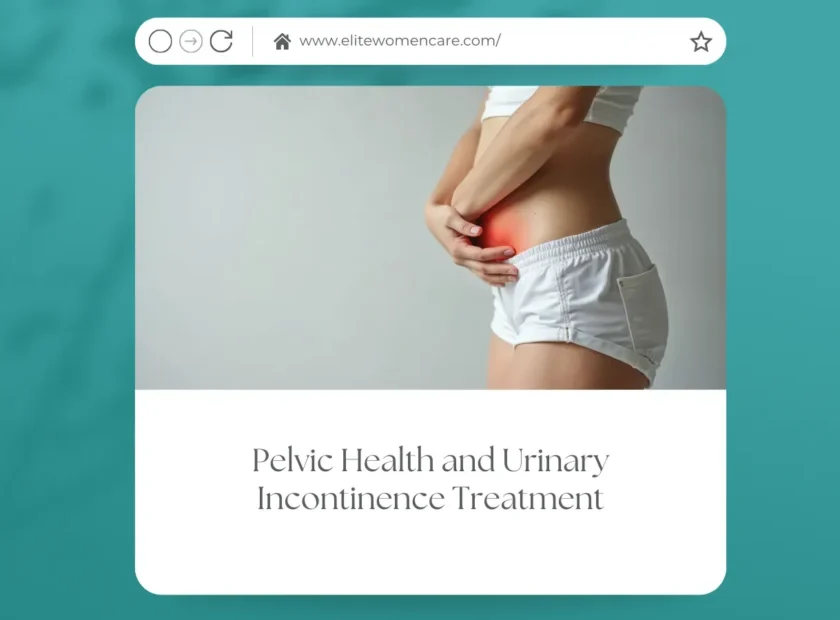
Pelvic Health and Urinary Incontinence Treatment

The journey of womanhood brings incredible transformations, but sometimes those changes leave behind quiet challenges that many hesitate to discuss. Finding an effective urinary incontinence treatment becomes a priority when life’s simplest joys, like laughing with friends or playing with children, start causing anxiety. For too long, women have been told that a little leakage is just a natural part of aging or the price of motherhood. That old narrative is finally changing. Modern science and compassionate care are coming together to provide solutions that are as gentle as they are life-changing.

Every woman deserves to move through the world with a sense of freedom and security in her own body. When the delicate structures of the pelvic floor lose their resilience, it feels like a betrayal of one’s own physical autonomy. However, the path to restoration is brighter than ever before. Innovative approaches to urinary incontinence treatment now focus on non-invasive techniques that respect the body’s natural healing processes. By blending high-tech medical advancements with a supportive, welcoming environment, the goal is to help every visitor reclaim their spark and live without the constant shadow of “what if.”

Understanding the Whispers of Your Body

The pelvic floor is a complex, cradle-like sling of muscles that supports vital organs and maintains essential bodily functions. When these muscles become overstretched or fatigued, the body begins to send subtle signals that something is amiss. Recognizing weak pelvic floor symptoms is the first step toward a more comfortable future. These signs might manifest as a heavy sensation in the lower abdomen or an occasional, unexpected drop of moisture during a workout. It is not just about physical mechanics; it is about the emotional weight of feeling less than vibrant.

Sometimes, the body speaks through sudden, sharp reminders. For many, this looks like stress incontinence solutions becoming a frequent topic of late-night research. Whether it is a sneeze, a cough, or a hearty laugh at a joke, that tiny bit of pressure shouldn’t result in a damp realization. These moments often feel isolating, but they are incredibly common experiences shared by millions of women. Understanding that the muscles are simply tired and need a bit of focused “gym time” or specialized care can turn fear into a proactive plan for recovery.

The Impact of Motherhood and Time

Bringing life into the world is a miraculous feat of strength, yet it undeniably shifts the landscape of a woman’s anatomy. Many new mothers find themselves searching for a reliable treatment for sneezing and leaking urine after childbirth as they navigate the beautiful chaos of a newborn. The physical toll of pregnancy and delivery can leave the pelvic support system feeling a bit frayed. This isn’t a permanent sentence; it is a temporary state that responds beautifully to the right interventions.

As the years pass, hormonal shifts also play a significant role in how our tissues behave. The decline in certain natural chemicals can lead to a loss of elasticity, making postpartum bladder control feel like a distant memory for some. But the future is full of promise. We are entering an era where urinary incontinence treatment is no longer synonymous with scary surgeries or lengthy hospital stays. Instead, women are finding empowerment in clinics that feel more like a sanctuary than a sterile office.

A Sanctuary for Restoration at Elite Women’s Care

When searching for a place that understands these nuances, the environment matters just as much as the technology. Elite Women’s Care serves as a beacon for those looking to bridge the gap between medical excellence and personal comfort. It is a space where the air feels lighter and the staff speaks the language of empathy. Here, the focus remains squarely on the individual journey of the woman, ensuring that every concern is met with a listening ear and a sophisticated solution.

Finding the best med spa for women’s pelvic health in Hoffman Estates involves looking for a team that treats the whole person, not just a set of symptoms. The atmosphere is designed to melt away the stigma often associated with pelvic issues. It is about creating a partnership where the patient feels like the hero of their own story. At Elite Women’s Care, the integration of advanced protocols ensures that the road to wellness is paved with both luxury and logic.

Breaking the Silence on Bladder Health

The conversation around bladder leak prevention for women is finally moving into the spotlight where it belongs. It is high time we talk about these things over coffee rather than in hushed tones behind closed doors. When women share their stories, they realize that they aren’t alone in their quest for a reliable urinary incontinence treatment. This collective openness paves the way for better education and faster access to the care that can truly make a difference.

Prevention is a powerful tool in any wellness arsenal. Learning how to engage and protect the pelvic floor today prevents a world of frustration tomorrow. It’s like tending to a garden; a little bit of consistent care keeps the foundation strong and the blossoms vibrant. By prioritizing pelvic health med spa visits early on, women can maintain their active lifestyles, from marathon running to high-intensity yoga, without a second thought about their bladder.

The Magic of Non-Surgical Innovation

The most exciting development in modern aesthetics and wellness is the rise of “lunchtime” procedures that deliver profound results. Many women find themselves asking, “can I fix bladder leaks without surgery?” and the answer is a resounding yes. We are moving away from the days of scalpels and toward a future of energy-based therapies. These treatments use gentle waves of heat or magnetic pulses to remind the body how to produce collagen and strengthen muscle fibers on its own.

A standout in this field is the suite of Viora Empower treatments, which have revolutionized how we approach tissue tightening and muscular rehabilitation. These sessions are often described as feeling like a warm massage or a series of tiny, painless contractions. Because there is no downtime, a woman can head straight from her appointment back to her busy life, carrying a secret boost of confidence. This type of urinary incontinence treatment fits perfectly into the schedule of a modern, on-the-go woman who refuses to let physical limitations slow her down.

Strengthening from Within

The concept of non surgical pelvic floor therapy is gaining massive momentum because it works in harmony with the body’s biology. Instead of replacing what is broken, these therapies aim to revitalize and rebuild. It is about waking up dormant muscles and encouraging them to stand tall once again. This internal “renovation” leads to a much firmer support system, which naturally results in better control and a more youthful functional state.

As the tissues respond to the stimulation, the results often continue to improve over several weeks. It’s a bit like watching a flower slowly bloom; the change is steady and beautiful. This progressive improvement makes this form of urinary incontinence treatment a favorite for those who prefer a natural-looking and natural-feeling progression. The goal is to reach a point where you forget you ever had a concern in the first place, allowing your mind to focus on the things that truly matter.

Personalized Care in Hoffman Estates

Every woman’s body tells a different story, and therefore, a “one size fits all” approach simply won’t do. At Elite Women’s Care, the philosophy centers on tailoring the experience to the unique anatomical and lifestyle needs of each guest. Whether a woman is a high-performance athlete or a grandmother who wants to jump on a trampoline with her grandkids, the plan is always bespoke. This commitment to personalization ensures that the urinary incontinence treatment provided is the most effective one possible.

The beauty of visiting a pelvic health med spa is the blend of clinical precision and relaxing indulgence. It doesn’t have to feel like a “doctor’s visit.” Instead, it can feel like a dedicated hour of self-care. When you walk through the doors, the focus is on your rejuvenation. By choosing a specialized urinary incontinence treatment, you are making an investment in your long-term happiness and physical integrity.

Navigating the New Normal

We are living in a golden age of women’s health where the “new normal” is whatever we decide it should be. We no longer have to accept discomfort as an inevitable companion. With options like Viora Empower treatments, the power is back in the hands of the patient. The future of urinary incontinence treatment is bright, painless, and incredibly effective. It invites every woman to step out of the shadows of embarrassment and into the sunlight of self-assurance.

The impact of regaining control ripples through every aspect of life. It means saying “yes” to that hiking trip, wearing those light-colored leggings to the gym, and feeling a renewed sense of intimacy without hesitation. This is the ultimate goal of non surgical pelvic floor therapy: a life lived to its fullest potential. As more women discover these paths, the community of empowered, confident individuals continues to grow.

Taking the First Step Toward Freedom

The hardest part of any journey is often the very first step, the moment you decide that your comfort is worth the effort. If you have been searching for the best med spa for women’s pelvic health in Hoffman Estates, know that the help you need is closer than you think. There is a profound relief that comes with simply having a conversation with an expert who understands. It’s the moment the weight starts to lift off your shoulders.

You don’t have to wait for a “significant” problem to seek out bladder leak prevention for women. In fact, the best time to start is right now. By being proactive, you ensure that your pelvic floor remains a strong, reliable foundation for decades to come. Whether you are dealing with weak pelvic floor symptoms or you just want to ensure everything stays in peak condition, there is a path forward for you.

A Promise of Better Days

As we look toward the future, the technology will only continue to get smarter and the treatments even more seamless. But the heart of the matter remains the same: a woman’s right to feel whole and capable. Elite Women’s Care remains dedicated to this mission, offering the latest in urinary incontinence treatment to ensure no woman feels left behind. The days of worrying about every sneeze or cough are coming to an end.

When you think about the question, “can I fix bladder leaks without surgery?” Let the answer be a catalyst for change. Embrace the possibilities offered by stress incontinence solutions and postpartum bladder control programs. Your body is a masterpiece that sometimes needs a little expert restoration. With the right care, you will find yourself moving with a grace and confidence that you might have thought was lost to time.

Reclaiming Your Vibrant Self

Ultimately, the goal of any urinary incontinence treatment is to restore the joy of living. It’s about the freedom to be spontaneous, the comfort of being active, and the peace of mind that comes with health. As you explore the benefits of treatment for sneezing and leaking urine after childbirth, remember that you are doing this for yourself. You are prioritizing your well-being so that you can continue to be the amazing person you are for everyone else in your life.

The transformation is often more than just physical; it is a mental and emotional rebirth. When you no longer have to plan your day around the nearest restroom, the world opens up in a whole new way. This is the true power of urinary incontinence treatment. It gives you back your time, your energy, and your spirit. So, take a deep breath, smile at the reflection in the mirror, and know that a more comfortable, confident version of you is just around the corner.

January 19, 2026

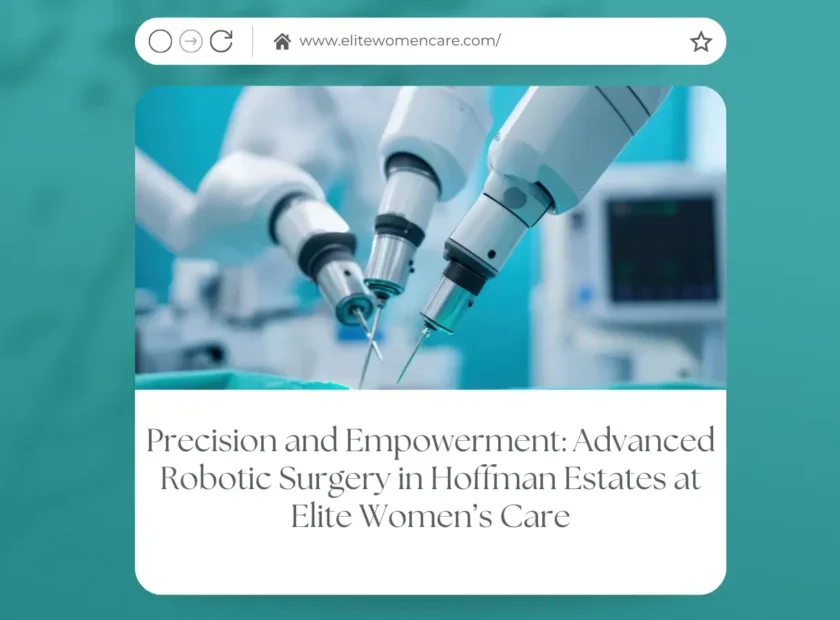
Precision and Empowerment: Advanced Robotic Surgery in Hoffman Estates at Elite Women’s Care

When it comes to specialized gynecological health, finding advanced robotic surgery in Hoffman Estates is the first step toward a faster recovery and a higher standard of clinical excellence. At Elite Women’s Care, we understand that the decision to undergo surgery is never taken lightly, which is why we prioritize cutting edge technology paired with a deeply compassionate approach. Our facility is dedicated to providing women in Illinois with the most sophisticated surgical options available today, ensuring that every patient feels heard, supported, and confident in their treatment plan.

The evolution of surgical technology has transformed the way we approach women’s health, moving away from large incisions and long hospital stays. By choosing robotic surgery in Hoffman Estates, patients gain access to precision guided procedures that were once unimaginable in traditional surgery. This leap forward is not just about the equipment; it is about the empowerment of the patient, offering a path to healing that respects both the physical and emotional needs of women throughout their healthcare journey.

At Elite Women’s Care, our mission is to redefine the surgical experience by blending technical mastery with a patient centered philosophy. Whether you are dealing with chronic pelvic pain, fibroids, or other complex conditions, our team is equipped to provide the highest level of care. We believe that every woman deserves access to the best medical innovations, and our commitment to robotic surgery in Hoffman Estates reflects our dedication to staying at the forefront of the gynecological field.

The Future of Gynecologic Health: da Vinci Surgery Illinois

The cornerstone of our surgical department is the integration of da Vinci surgery Illinois protocols, which utilize a high definition 3D vision system and tiny, wristed instruments. Unlike traditional laparoscopy, this system allows surgeons to operate with enhanced vision, precision, and control. For the patient, this means the surgeon can navigate complex anatomical structures with a level of detail that minimizes impact on surrounding healthy tissue. This technology serves as an extension of the surgeon’s own hands, translating their movements into smaller, more precise actions inside the body.

For women seeking minimally invasive gynecologic surgery, the benefits of this robotic platform are extensive. Because the incisions are significantly smaller than those used in open surgery, patients typically experience much less post operative pain and a reduced need for heavy pain medications. Furthermore, the risk of infection and blood loss is drastically lowered, which is a vital consideration for any major procedure. By choosing da Vinci surgery Illinois, women are often able to return to their daily routines within a fraction of the time required by conventional methods.

Our surgical team at Elite Women’s Care OBGYN is extensively trained in these robotic techniques, ensuring that the technology is utilized to its full potential. We recognize that every patient’s anatomy and medical history are unique, and the flexibility of the robotic platform allows us to tailor each procedure to the specific needs of the individual. This personalized approach to minimally invasive gynecologic surgery is what sets our practice apart, as we focus on achieving the best possible clinical outcomes while prioritizing the patient’s overall well being and comfort.

Specialized Procedures and the Elite Women’s Care Advantage

One of the most common applications for this technology is the robotic assisted hysterectomy, a procedure that has historically required significant downtime. In the past, a hysterectomy often involved a large abdominal incision and a multi day hospital stay. However, with the advancements available at Elite Women’s Care, a robotic assisted hysterectomy allows for a much more refined process. Patients frequently go home the same day or the following morning, experiencing a recovery that is measured in days rather than weeks.

When patients search for the best robotic surgeon near me, they are looking for a combination of experience, success rates, and a bedside manner that puts them at ease. At our Hoffman Estates location, our surgeons are recognized for their expertise in handling complex cases that other practices might deem unsuitable for a minimally invasive approach. Our commitment to robotic surgery in Hoffman Estates means we have the tools to address endometriosis, large fibroids, and pelvic organ prolapse with incredible accuracy, often sparing healthy tissue and preserving nerve function.

The comprehensive care model at Elite Women’s Care OBGYN ensures that the surgical journey is seamless from the initial consultation through the final follow up. We take the time to explain the nuances of minimally invasive gynecologic surgery, answering every question to alleviate any anxiety. Our goal is to ensure that when you choose a robotic assisted hysterectomy or any other robotic procedure, you are doing so with a full understanding of the benefits and the expected recovery timeline.

Key Benefits of Choosing Robotic Assisted Procedures

While the technical aspects are impressive, the real world benefits for our patients are what truly matter. Here are some of the primary reasons women choose our center for their care:

  • Enhanced Precision: The robotic system provides a level of steady, filtered movement that exceeds the human hand’s natural capabilities.
  • Superior Visualization: Surgeons view the surgical site in 10x magnified, high definition 3D, allowing for better identification of vital structures.
  • Reduced Recovery Time: Most patients return to normal activities weeks earlier than those undergoing traditional open surgery.
  • Minimal Scarring: Tiny incisions result in scars that are often nearly invisible once fully healed, providing an aesthetic benefit alongside the functional one.

Why Local Expertise Matters for Robotic Care

Navigating the healthcare system can be overwhelming, but finding a top tier Elite Women’s Care OBGYN specialist right here in our community simplifies the process. Accessing robotic surgery in Hoffman Estates means you don’t have to travel far to receive world class medical treatment. Staying local for your surgery and follow up care reduces the stress on both the patient and their family, allowing for a more relaxed environment which is conducive to healing.

If you have been told you need surgery, it is essential to consult with the best robotic surgeon near me to explore all your options. Many patients are surprised to learn that they are candidates for a robotic approach even if they were previously told they needed an “open” procedure. Our specialists at Elite Women’s Care are experts in da Vinci surgery Illinois, and they frequently provide second opinions for women looking to avoid large incisions and long hospitalizations.

The reputation of Elite Women’s Care OBGYN is built on a foundation of trust and successful outcomes. We believe that by offering minimally invasive gynecologic surgery, we are fulfilling a critical need in the community for high tech, high touch medical care. Whether it is a routine procedure or a complex robotic assisted hysterectomy, our focus remains on providing a surgical experience that is as safe, effective, and stress free as possible.

Excellence in Every Incision: Your Journey to Recovery

Choosing the right surgical path is a milestone in your health journey, and selecting robotic surgery in Hoffman Estates places you in the hands of professionals who prioritize your long term vitality. At Elite Women’s Care, we don’t just see a patient; we see a woman with a life, a family, and goals that shouldn’t be sidelined by a long recovery. Our use of da Vinci surgery Illinois technology is a testament to our promise to provide the most advanced care available in the modern medical landscape.

When you are searching for the best robotic surgeon near me, you are looking for a partner in your health who understands the intricacies of the female body. Our team at Elite Women’s Care OBGYN takes great pride in our ability to perform a robotic assisted hysterectomy with such precision that our patients are often amazed at how quickly they feel like themselves again. We are here to guide you through every step, ensuring that your transition from diagnosis to recovery is handled with the utmost professional care and personal empathy.

The future of women’s healthcare is here, and it is defined by the incredible possibilities of minimally invasive gynecologic surgery. We invite you to experience the difference that expert led robotic surgery in Hoffman Estates can make in your life. By combining the latest robotic innovations with a team that truly cares, we ensure that your health is always in the best possible hands.

We are honored to be a leading provider of da Vinci surgery Illinois, helping women reclaim their health and get back to the things they love. At Elite Women’s Care, your wellness is our greatest priority, and our robotic surgical program is designed to deliver the excellence you deserve. Take the first step toward a healthier future by scheduling a consultation with the best robotic surgeon near me and discover how our advanced techniques can transform your surgical experience.

January 16, 2026

Understanding Uterine Fibroids: Symptoms, Diagnosis, and Treatment Options

If you have been experiencing unusual pelvic pressure or discomfort lately, you might be searching for information on uterine fibroid symptoms to understand what is happening within your body. These noncancerous growths of the uterus often appear during childbearing years and can significantly impact a woman’s quality of life. While they are not typically associated with an increased risk of uterine cancer, the physical and emotional toll they take is very real for millions of women worldwide.

Navigating the complexities of reproductive health can be daunting, especially when faced with persistent pain or cycle irregularities. Identifying uterine fibroid symptoms early is the first step toward regaining control over your health and daily routine. Many women live with these growths for years without realizing they are the source of their fatigue or pelvic heaviness, often dismissing the signs as “just a normal part of being a woman.”

Understanding the landscape of women’s health requires a deep dive into how these benign tumors develop and manifest. Research into uterine myoma causes suggests that a combination of genetic changes, hormones like estrogen and progesterone, and other growth factors play a pivotal role in their formation. By exploring these underlying factors, we can better appreciate why some women are more prone to developing fibroids than others.

In this comprehensive guide, we will explore everything from the initial signs to the latest medical advancements. Whether you are seeking heavy period relief or exploring non surgical fibroid removal, this article provides the insights needed to make informed decisions. Let’s delve into the details of diagnosis and the various pathways available for effective management and recovery.

Recognizing the Signs and Identifying Uterine Myoma Causes

The clinical presentation of fibroids can vary wildly from one patient to another, depending largely on the size, number, and location of the growths. When discussing uterine fibroid symptoms, most women report a combination of heavy menstrual bleeding, periods lasting more than a week, and pelvic pressure or pain. Some may also experience frequent urination, difficulty emptying the bladder, or even backaches and leg pains, which occur when large fibroids press against nerves or organs.

While the exact etiology remains a subject of ongoing medical study, looking into uterine myoma causes reveals that fibroids contain more receptors for estrogen and progesterone than normal uterine muscle cells do. This hormonal sensitivity explains why fibroids often shrink after menopause when hormone levels drop significantly. Additionally, insulin like growth factors and extracellular matrix (ECM) alterations are believed to contribute to the fibrous consistency of these tumors.

It is important to note that many women have fibroids and experience no symptoms at all. In these cases, the growths might be discovered incidentally during a routine pelvic exam or prenatal ultrasound. However, for those who do suffer, the impact on lifestyle and fertility can be profound. Identifying the specific uterine myoma causes in an individual case often involves looking at family history, as a genetic predisposition frequently plays a major role in their development.

The psychological burden of dealing with chronic pelvic issues should not be underestimated. Constant worry about leakage or the sudden onset of pain can lead to anxiety and social withdrawal. By validating these uterine fibroid symptoms as legitimate medical concerns rather than “just a heavy period,” healthcare providers can offer better support and more targeted interventions for their patients.

The Path to an Accurate Fibroid Diagnosis

The journey toward relief always begins with a definitive fibroid diagnosis. Usually, the process starts with a physical pelvic examination where a physician may feel irregularities in the shape of the uterus. To confirm the presence of these growths, doctors typically order imaging tests, with ultrasound being the most common first step. Ultrasound uses sound waves to create a picture of the uterus, allowing the technician to map the location and measure the size of each fibroid.

If an ultrasound does not provide enough detail, further imaging like an MRI may be recommended. An MRI is particularly helpful for women with larger uteri or those nearing menopause, as it provides a clearer distinction between fibroids and other types of tumors. This level of detail is crucial for a fibroid diagnosis because it helps surgeons and specialists determine which treatment modality will be most effective based on the vascularity and exact positioning of the growths.

In some instances, more invasive diagnostic procedures are necessary to rule out other conditions. Hysterosonography, also known as a saline infusion sonogram, involves using sterile saline to expand the uterine cavity, making it easier to see submucosal fibroids that protrude into the womb. This step is often vital for women seeking heavy period relief, as these specific types of fibroids are usually the primary culprits behind excessive bleeding and reproductive challenges.

  • Pelvic Ultrasound: The gold standard for initial detection and monitoring.
  • Magnetic Resonance Imaging (MRI): Provides high resolution images for complex cases.
  • Hysteroscopy: A small telescope is inserted through the cervix to examine the uterine walls directly.
  • Lab Tests: Blood counts are often checked to screen for anemia caused by chronic blood loss.

Once a formal fibroid diagnosis is established, the conversation shifts toward management. Doctors will consider the patient’s age, desire for future pregnancy, and the severity of the uterine fibroid symptoms before recommending a specific path. This personalized approach ensures that the chosen intervention aligns with the patient’s long term health goals and lifestyle preferences.

Exploring Modern Fibroid Treatment Options

Today, patients have access to a wide range of fibroid treatment options that vary from watchful waiting to major surgery. For those with mild symptoms, medications that regulate the menstrual cycle or address hormonal imbalances may be sufficient. Gonadotropin releasing hormone (GnRH) agonists are often used to trigger a temporary “mini menopause,” which shrinks the fibroids and provides temporary heavy period relief before a planned surgical procedure.

For women who wish to avoid traditional surgery, non surgical fibroid removal techniques have become increasingly popular. Uterine Artery Embolization (UAE) is one such method, where small particles are injected into the arteries supplying the uterus, cutting off the blood flow to the fibroids and causing them to shrink over time. This approach allows for a much faster recovery period compared to a hysterectomy or myomectomy.

Another cutting edge choice among fibroid treatment options is MRI guided Focused Ultrasound Surgery (FUS). This non invasive procedure uses high energy ultrasound waves to heat and destroy the fibroid tissue while the patient lies inside an MRI scanner. Because it requires no incisions, it is often a preferred non surgical fibroid removal method for those who qualify based on the size and location of their tumors.

  • Hysterectomy: The surgical removal of the uterus, providing a permanent cure for fibroids.
  • Myomectomy: Surgical removal of individual fibroids while leaving the uterus intact, preserving fertility.
  • Laparoscopic Surgery: A minimally invasive approach using small incisions and specialized cameras.
  • Endometrial Ablation: A procedure that destroys the lining of the uterus to reduce heavy bleeding.

Despite the efficacy of these methods, the choice of fibroid treatment options must be balanced with the patient’s future plans. While a hysterectomy guarantees that fibroids will not return, it ends the possibility of pregnancy. Conversely, non surgical fibroid removal or myomectomy may allow for future conception, though there is a slight risk that new fibroids could develop in the future.

Seeking Heavy Period Relief and Long Term Wellness

One of the most urgent concerns for patients is finding immediate heavy period relief. Prolonged and excessive bleeding can lead to iron deficiency anemia, causing chronic fatigue, dizziness, and shortness of breath. While treating the fibroids themselves is the long term goal, managing the symptoms often involves the use of tranexamic acid or nonsteroidal anti inflammatory drugs (NSAIDs) to reduce blood flow and cramping during the cycle.

Progestin releasing intrauterine devices (IUDs) are also frequently utilized to provide heavy period relief. While an IUD does not shrink the fibroids, it can significantly lighten the menstrual flow, making daily life much more manageable for those not yet ready for non surgical fibroid removal. Understanding the connection between uterine myoma causes and blood vessel regulation within the uterus helps researchers develop even more targeted hormonal therapies for the future.

For many, the ultimate goal is a life free from the constraints of reproductive pain. By combining medical interventions with lifestyle changes: such as a balanced diet rich in green vegetables and regular exercise, women can sometimes mitigate the severity of uterine fibroid symptoms. Maintaining a healthy weight is particularly important, as fat cells produce extra estrogen, which may exacerbate the growth of existing myomas.

Education remains the most powerful tool for any woman dealing with this condition. Knowing that there are multiple fibroid treatment options available means that a hysterectomy is no longer the only answer. From pharmaceutical management to high tech non surgical fibroid removal, the medical field has evolved to prioritize patient choice, uterine preservation, and a faster return to normal activities.

Empowering Your Health Journey

Taking the initiative to learn about uterine fibroid symptoms is a brave and necessary step toward physical autonomy. When you are equipped with the right information, the dialogue between you and your healthcare provider becomes a partnership rather than a one sided instruction. Recognizing that your pain is valid and that solutions exist can significantly reduce the emotional stress associated with chronic reproductive health issues.

As we have explored, the landscape of fibroid treatment options is broader than ever before. Whether your priority is preserving fertility, avoiding the operating room through non surgical fibroid removal, or simply finding a way to get through the month without debilitating pain, there is a path forward. By focusing on an accurate fibroid diagnosis and understanding the potential uterine myoma causes, you can tailor a recovery plan that fits your unique biological needs.

Ultimately, achieving heavy period relief and long term pelvic health is about more than just treating a growth; it is about restoring your quality of life. No woman should have to put her life on hold due to manageable medical conditions. Continue to advocate for your health, seek second opinions when necessary, and stay informed about the latest advancements in gynecological care to ensure you receive the best treatment possible.

September 18, 2025

What are the Symptoms of High Risk Pregnancy?

Everyone knows that pregnancy is an amazing journey full of hope and happiness, but meeting your baby in the most perfect condition you need to know the high risk pregnancy symptoms. Recognizing risky pregnancy symptoms early is crucial to ensure the safety and well being of both mother and baby. Identification of these symptoms ensures timely help in medical pregnancy care and results in better pregnancy outcomes.

High risk pregnancies can arise due to various reasons, including maternal health conditions, previous pregnancy complications, multiple pregnancies, and lifestyle factors. For expecting mothers, high risk pregnancy care and their consequences are very necessary because of the proper managing of health care and decrease in other complications. Effective monitoring of these risks is possible with the help of regular prenatal checkups.

Understanding High Risk Pregnancy

Learn the common risky pregnancy symptoms to watch for to ensure a safe pregnancy journey.

Expecting mothers face higher risk pregnancies when the chance of complications in the expecting mother or the baby rises. Such pregnancies are typically seen in women who are above the age of 35, those with existing medical issues, or those expecting multiples. In addition, harmful lifestyle habits like cigarette smoking, heavy alcohol consumption, and inadequate nutrition can also be a danger to the pregnancy. Understanding the symptoms connected to pregnancies that are high risk gives pregnant women the power to act quickly when danger signs appear.  

For pregnancies with elevated risks, health care providers tend to recommend special care that may involve late stage ultrasounds, advanced blood panel testing, and specialist consultations. If conducted alongside these measures, awareness provides the opportunity to take corrective steps that ensure the mother and child remain healthy, thereby avoiding a lot of complications. Proper identification of danger signs in pregnancy is vital as it allows a lot of the risks to be prevented, and as such, knowing how to recognize them is very important.

Common Risky Pregnancy Symptoms

One of the most common risky pregnancy symptoms is abnormal abdominal pain or cramping. Some cramping is normal; however, extended or particularly severe cramping may be a sign of an ectopic pregnancy or preterm labor. Any kind of unusual and ongoing pain has to be assessed immediately to rule out further risk factors.  

Spotting or bleeding of the vagina during pregnancy also needs medical attention. Bleeding in the second or third trimester pregnancy is a red flag. Bleeding along with abdominal pain or contractions is a severe risk to the pregnancy and requires emergency care. 

The sudden swelling of hands or feet is also a sign. There is mild swelling during pregnancy, but the sudden or excessive onset of swelling is a sign of pregnancy induced hypertension or preeclampsia. Timely detection and treatment of high risk pregnancy symptoms like these can prevent the development of further complications and improve the prognosis of the mother.

High Blood Pressure and Pregnancy Hypertension

One of the most concerning issues in pregnancy is hypertensive disorders. Pregnancy hypertension can develop after 20 weeks and may lead to preeclampsia, a potentially life threatening condition for both mother and baby. This condition is life threatening to both the mother and the infant. The symptoms of this condition include a severe headache, blurred vision, and pain in the upper region of the abdomen. Early detection and intervention depend largely on having early and regular prenatal checkups.

Having hypertension leads to a high chance of having birth complications, such as early birth, problems with the placenta, and even fetal growth retardation. Specialists may prescribe specific changes in lifestyle, medications, or close follow ups to keep the mother’s blood pressure at a healthy level. Knowing the symptoms of high risk pregnancy due to hypertension may lower the risk of having catastrophic complications. 

Because preeclampsia can advance very rapidly, it is of vital importance to identify it early. The other signs that should be watched for include excess protein in the urine, sudden increase in weight, and dizziness. It is paramount that women who are expecting and have any of these symptoms receive medical care immediately, for the sake of their health and the health and proper development of their child.

Gestational Diabetes and Its Symptoms

Pregnancy hypertension can pose health risks for both mother and baby if not properly managed.

Gestational diabetes is the term used for any form of diabetes diagnosed during pregnancy. Like with other types of diabetes, there are risks associated with it for the mother and the child. If not treated, it will increase the chances of the child being too large, delivery early, and delivery through cesarean section. These and other risks can be dealt with, but only if the condition is diagnosed in advance. Diagnosis in advance requires prompt recognition of high risk pregnancy signs, such as excessive thirst, frequent urination, and fatigue.  

Screening for gestational diabetes is done between the 24th and 28th week of pregnancy. After that, proper measures like diet, exercise, or medicine to keep the blood sugar under control can be implemented. To reduce the chances of complications, it is similarly as important to closely monitor the blood sugar and the baby’s growth as the mother’s.  

Treatment for gestational diabetes requires both lifestyle and medical interventions. The mother must adhere to a balanced diet and healthy calorie intake, specifically limiting carbohydrate intake as prescribed by the medical team. Being vigilant for risky pregnancy symptoms ensures healthier outcomes for both mother and baby.

Warning Signs That Require Immediate Attention

Each and every symptom in pregnancy demands attention, however urgent attention is required in the case of some definite symptoms. Heavy bleeding, quick weight gain due to swelling, suffering from severe abdominal pain, and the reduced movement of the fetus are all symptoms which demand prompt medical attention. The importance of marking out pregnancy symptoms that require immediate medical attention cannot be stressed enough. 

There are times when the pregnant women ignore the symptoms having an assumption that they relate to standard pregnancy symptoms. The increased severity and the sudden onset of any symptom can help differentiate between the serious symptoms and the mild ones. Recognizing warning signs during pregnancy and reporting them promptly can prevent serious birth complications. 

More often than not, it can help prevent severe and life threatening complications. Women who are expecting a child need to be advised to continually communicate with their doctors and check for any changes that catch their attention even if it is very insignificant during the initial stages.

Signs of Preterm Labor

Preterm labor is defined as the onset of contractions before the 37th week of pregnancy. Recognizing these early signs is crucial since the baby is at risk of respiratory distress, low birth weight, or even developmental issues. The initial symptoms are pelvic pressure, lower back pain, increased vaginal discharge, and frequent contractions. 

In some cases, to prolong preterm labor, healthcare providers may suggest strict bed rest, prescribe medications, or even opt for inpatient care. Effective and timely interventions to safeguard the fetus can be implemented only with preterm monitoring. Preterm labor watch ensures quick actions and makes it easier to identify complications related to preterm labor. 

There could also be other signals like unusual cramps or vaginal fluid leakage. Any pregnant lady identifying such signs is advised to get checked without delay to reduce the risk of giving birth early and other problems.

Fetal Growth Concerns

In pregnancies at risk, fetal growth needs to be monitored closely. Developmental conditions such as intrauterine growth restriction (IUGR) can develop because of maternal hypertension, malnutrition, or other risk factors. These conditions can be indicated with reduced fetal movements, abnormal ultrasound results, and irregularities in the measurements of fundal height.  

Precautionary measures such as providing nutritional aid, intensified surveillance, or even planning for early delivery can be enabled if symptoms of fetal growth complications are detected in time. As such, the management and development of the fetus is reliant on consistent monitoring that is only facilitated by regular visits and ultrasounds.  

The daily lifestyle choices and health of the fetus’ mother have an immediate effect on the growth of the fetus. The proper management of chronic diseases and prenatal visits, along with proper care and nutrition during pregnancy—effectively reducing the risk of pregnancy ailments impacting growth—control a host of pregnancy related risks to the fetus.

Placental Problems and Warning Signs

Certain placental conditions, including placental abruption and placenta previa, require immediate medical attention since they may jeopardize life otherwise. Risky pregnancy symptoms might include vaginal bleeding, abdominal pain, and contractions. These symptoms require early diagnosis through ultrasound and consistent monitoring. 

While treatment depends on the level of risk, possible measures include activity adjustment, early delivery, or even hospital admission. The key objective of healthcare providers is to mitigate the risk to both the mother and the child and to navigate the situation for the best possible outcomes. Having knowledge of these maternity danger signs goes a long way in mitigating any threats. 

Learn about common pregnancy complications and how expecting mothers can manage health risks safely.

Immediate care is also recommended when there is sudden onset of back pain or an unusual pattern of cramping. In order to protect the mother as well as the child, immediate care is warranted in the event of these high risk pregnancy symptoms.

Factors That Increase Pregnancy Risk

The probability of high risk pregnancy is increased by an unhealthy lifestyle in concert with several conditions. Having an older age for childbirth, existing medical issues, an unhealthy lifestyle, and an improper diet is pregnancy risk factors. Taking preventive steps becomes easier for the mothers expecting a child if they are well informed of the risk factors. 

As mentioned, such knowledge allows the proper care provider to take a strategic and custom approach in taking care of the patient and helps keep a close eye on symptoms of risky pregnancies. Such symptoms can be kept in check by regularly visiting the doctor and following the proposed dietary and lifestyle changes. 

The likelihood of complications during pregnancy and at the time of birth can be lowered by identifying and dealing with the risk factors as soon as possible. It is essential to maintain strong focus and be well informed when dealing with high risk pregnancies.

Multiple Pregnancies

The probability of complications is significantly higher when anticipating twins, triplets, and beyond. Pregnancy with multiples is far more likely to result in pregnancy related hypertension, fetal growth retardation as well as premature labor. On top of that, the mother stands to suffer from extreme fatigue, severe swelling, and disproportionate lower abdominal pain.  

Conditions of this nature require constant monitoring in the form of ultrasounds, blood tests, and in the form of maternal fetal medicine specialists. Knowledge about the symptoms of high risk multiple pregnancies leads to swift interventions and life saving treatments.  

To manage these risks, expectant mothers with multiples might need to change their way of living and be placed under much closer monitoring. The early diagnosis and treatment of these risks goes a long way in ensuring the health of the mother and child.

Pre-existing Medical Conditions

Expectant mothers diagnosed with long term heart problems, kidney dysfunction, or autoimmune diseases face a higher risk during such time. Symptoms of high risk pregnancy include unusual fatigue, breath shortness, abnormal swelling, and pains that may need advanced health care during pregnancy.

A multidisciplinary approach may be implemented to care for such patients, changing therapy sessions, increasing the number of visits, combining therapy from the providers, and making more frequent checkups. There needs to be continuous monitoring so that the mother’s health is balanced with the baby’s growth.

On the other hand, the knowledge of how such conditions affect the pregnancy helps the mother be ready for the possible complications of pregnancy. The earlier the health practitioners detect the symptoms, the safer and easier it is to take measures.

When to Seek Immediate Medical Attention

Certainly extreme swelling, heavy bleeding, changes in vision, drops in fetal movement, and severe lower abdominal pain all call for immediate medical evaluation. Underneath all of the pregnancy’s expected symptoms, the ability to act quickly on the dangerous signs is tremendously helpful in avoiding critical and life threatening symptoms, and contributes to the wellbeing of both the mother and baby. 

All hospitals and medical staff are equip to deal with high risk pregnancy emergencies. Most of the emergencies are manageable and are dealt with thanks to early reporting and swift action. Pregnancy care should always prioritise safety and knowledge contributes greatly to that.

Conclusion: Staying Vigilant and Informed

Pregnancies that present a high level of risk to the expecting mother requires scheduled interventions, continuous, close monitoring, and check ups. Proper understanding of the symptoms that come with complicated pregnancies allows the doctors and the expecting mothers to act promptly and take appropriate measures in managing the arising challenges. Most pregnancies with risks, when detected early and properly monitored and managed, turn out fine for the mother and child. 

By understanding pregnancy risk factors, monitoring for pregnancy complications, and taking immediate action when necessary, women can navigate their pregnancies safely. Adhering to a healthy lifestyle as prescribed, frequent medical check ups, taking a balanced diet among other lifestyles set by the health care provider can be of great help in assuring the best outcomes to the mother and the child.

August 18, 2025

Chronic Pelvic Pain: Causes and Solutions

Chronic pelvic pain has one thing going for it- it very often turns incapacitating. It impacts millions worldwide.It pertains to any type of persistent discomfort located in the lower abdomen or pelvic region that lasts for more than six months. While acute pain often serves as a warning sign of an underlying injury or illness requiring urgent attention, the long term nature and wide range of potential causes of this condition can significantly impact a person’s quality of life. Those experiencing ongoing pelvic discomfort—or their caregivers—should gain a thorough understanding of the potential causes and available treatments.

Chronic pelvic pain syndrome causing long-term discomfort in the lower abdomen and affecting daily life.

This article dives deep into the multifaceted nature of chronic pelvic pain, exploring its common causes, how it differs in various populations, especially in chronic pelvic pain women, and the latest treatment approaches, including options for chronic pelvic pain syndrome treatment. It also highlights both medical and holistic approaches that can offer symptom relief, aiming to serve as a comprehensive guide to managing this life altering condition.

Understanding Persistent Pelvic Discomfort and Its Impact

This condition involves pain felt in the pelvic region lasting for more than six months. Sometimes, the sensation is a dull ache or burning feeling, while other times it manifests as sharp discomfort in the lower abdominal area. Regardless of the type, it greatly interferes with daily life. For many individuals, this discomfort extends beyond the physical aspect, affecting emotional and psychological well being and potentially causing anxiety, depression, and social isolation.

The perplexing nature of chronic pelvic pain syndrome is due to its vast spectrum of possible etiologies. It can be the result of gynecological, urologic, gastrointestinal, musculoskeletal, or perhaps even neuropathic etiologies. Diagnosis, because of such diversities, requires often a genuinely multidisciplinary setting, involving gynecologists, urologists, gastroenterologists, pain specialists, and physical therapists. The symptoms tend to overlap; hence pinpointing the condition means doing a thorough history assessment of the patient followed by meticulous examinations.

Common Causes of Chronic Pelvic Pain

Various causes of persistent pelvic discomfort can occur, depending on gender, associated medical history, and many other factors. For women, such symptoms may arise from endometriosis, PID, ovarian cysts, fibroids, or consequences of an operation such as adhesions. These conditions primarily cause inflammation, scarring, or nerve irritation, provoking constant pain.

In males, similar issues may result from chronic prostatitis or dysfunction of the pelvic floor muscles—both of which are rarely discussed in this context. Non gynecological conditions such as IBS, interstitial cystitis, hernias, and nerve entrapment syndromes are other possible contributors. Identifying the root cause accurately is crucial, as treatment approaches vary based on the underlying condition.

Pelvic Discomfort in Women: Unique Challenges and Considerations

Chronic pelvic pain syndrome treatment options to relieve persistent lower abdominal discomfort effectively.

When discussing chronic pelvic pain women experience, it is important to highlight some unique aspects that influence diagnosis and treatment. This issue tends to be more prevalent among women due to gynecological conditions such as endometriosis, which affects nearly 10% of women of reproductive age worldwide. Endometriosis occurs when tissue similar to the uterine lining grows outside the uterus, leading to inflammation and significant pain.

Treatment becomes more complicated as symptoms often fluctuate in response to hormonal changes throughout the menstrual cycle. Psychological factors such as stress or a history of trauma may also heighten the perception of pain. Given its complex and multidimensional nature, effective care requires a personalized approach, often involving a combination of medical, physical, and psychological therapies to provide meaningful relief.

Diagnostic Approaches for Pelvic Pain Syndrome

Accurate diagnosis of pelvic pain syndrome is essential for effective treatment. It can be challenging to diagnose due to overlapping symptoms with other medical conditions. The diagnostic process typically begins with a thorough medical history and physical examination, which may include a pelvic exam for women and a prostate exam for men. Imaging techniques such as ultrasound, MRI, or CT scans can assist in detecting structural issues like cysts or fibroids.

In certain cases, laparoscopy may be used to visually examine pelvic organs, particularly when endometriosis is suspected. Blood and urine tests can help rule out infections or inflammatory diseases. When the discomfort appears to stem from musculoskeletal or neuromusculoskeletal sources, assessment of the pelvic floor muscles and nerve conduction studies may be warranted. This comprehensive approach allows healthcare providers to evaluate all possible underlying causes and tailor treatment accordingly.

Chronic Pelvic Pain Syndrome Treatment Options

Generally, a series of treatment modalities have been suggested for chronic pelvic pain syndrome on a case to case basis and to fit pain severity. Physical therapy is one conservative treatment option that has been very successful for many in relaxing and strengthening the pelvic floor muscles. Pelvic floor therapists can teach patients in techniques to relax their muscles, which in many episodes may be the main source of pain. Pain management may differ according to the cause and also consist of NSAIDs, hormonal medicines, antidepressants, and antineuralgics. A diagnosis of endometriosis may require suppression or surgical removal of endometrial tissue. Nerve involvement might also be treated with interventional pain management treatments like nerve blocks or trigger point injections. All attempts should be made to combine treatment modalities to obtain the best results in pain control and added quality of life.

Lifestyle Modifications and Alternative Therapies

Many individuals managing ongoing pelvic discomfort find lifestyle changes and alternative therapies beneficial as supportive treatments alongside conventional medical care. This is a common topic among patients with gastrointestinal conditions, including IBS—avoiding food triggers and making dietary adjustments can at least reduce symptom severity. Popular methods to ease stress related to persistent pain include mindfulness meditation, yoga, and CBT.

Above all, these alternative treatments influence how pain is perceived and improve muscle function. If patients are considering such approaches, it’s important they discuss them with their healthcare providers to ensure coordinated care. In general, when these interventional methods are combined with other treatments, they tend to yield positive outcomes for those experiencing pelvic pain syndromes.

Women experiencing chronic pelvic pain often face ongoing discomfort in the lower abdomen, affecting daily life.

Psychological Impact and Support for Chronic Pelvic Pain Patients

The psychological impact of persistent pelvic discomfort is profound and often overlooked. What starts as a few days of acute pain can quickly spiral into feelings of helplessness, while ongoing discomfort often leads to anxiety and depression, trapping individuals in a cycle where emotional distress amplifies physical sensations. From a clinical perspective, the interaction between pelvic pain and reproductive or hormonal issues can cause significant impairment, especially in women experiencing long term symptoms.

Psychological support plays a crucial role in a well rounded treatment strategy. Access to counseling, support groups, and mental health services provides patients with tools to manage their emotions and fosters a sense of validation. Cognitive Behavioral Therapy (CBT) shifts focus from pain centered thinking and behavior toward building psychological resilience. Embracing the mind body connection allows both patients and clinicians to address the full scope of this complex health issue.

When to Seek Medical Help for Chronic Pelvic Pain

One must know when persisting pelvic pain demands evaluation by a medical professional. Any person experiencing pain exceeding six months should consult a healthcare provider for the cause to institute suitable treatment. Any sudden exacerbation of pain, associated with fever, bleeding, urinary disturbances, or grinding digestive symptoms, requires urgent medical attention. 

Early detection and treatment can prevent potential complications and the development of long term disability. If initial treatment fails, patients should seek a second opinion or explore specialized care. Education and advocacy empower individuals to pursue early intervention and avoid resigning themselves to persistent pain.

Pelvic pain is complex and multifactorial, requiring an understanding of its diverse causes and treatment approaches. Whether the discomfort stems from gynecologic, urologic, gastrointestinal, or musculoskeletal sources, it can significantly impact a person’s physical, emotional, and social well being. Fortunately, recent advancements in diagnostics and therapy options now offer better chances of managing symptoms through centers that provide individualized, multidisciplinary care.

It is especially important for women to recognize the different dimensions of pelvic discomfort so that treatments can address both physical symptoms and mental health concerns. A combination of medical treatment, lifestyle changes, physical therapy, and psychological support can substantially improve quality of life. If you or someone you know is affected by ongoing pelvic pain, it’s important to consult a healthcare professional to create a comprehensive plan for regaining control and improving daily living.

June 21, 2025

10 Early Signs of Miscarriage Every Woman Should Know

Knowing the early signs of miscarriage can make all the difference when you’re pregnant. While it’s not something you want to think about, knowing allows you to spot any warning signs early on so you can call your doctor right away. The truth is, miscarriage happens more frequently than most of us are aware of, and sometimes symptoms are so undeveloped that they might not even be detected.

A miscarriage is when a pregnancy naturally is lost within 20 weeks. There are many reasons why this might occur, but the thing is to know the signs that it might be so that you can act quickly. In this guide, we’ll walk you through ten signs that might mean something isn’t right, but keep in mind, every pregnancy is different and only your healthcare worker can actually say.

10 Signs You May Be Having a Miscarriage

1. Vaginal Bleeding or Spotting

Unusual bleeding or spotting is the most common symptom of miscarriage. Others normally spot during early pregnancy, but abnormal heavy bleeding that is similar to a period may be something to worry about. Examine the color and how long it lasts, and if it feels strange, don’t hesitate to call your physician.
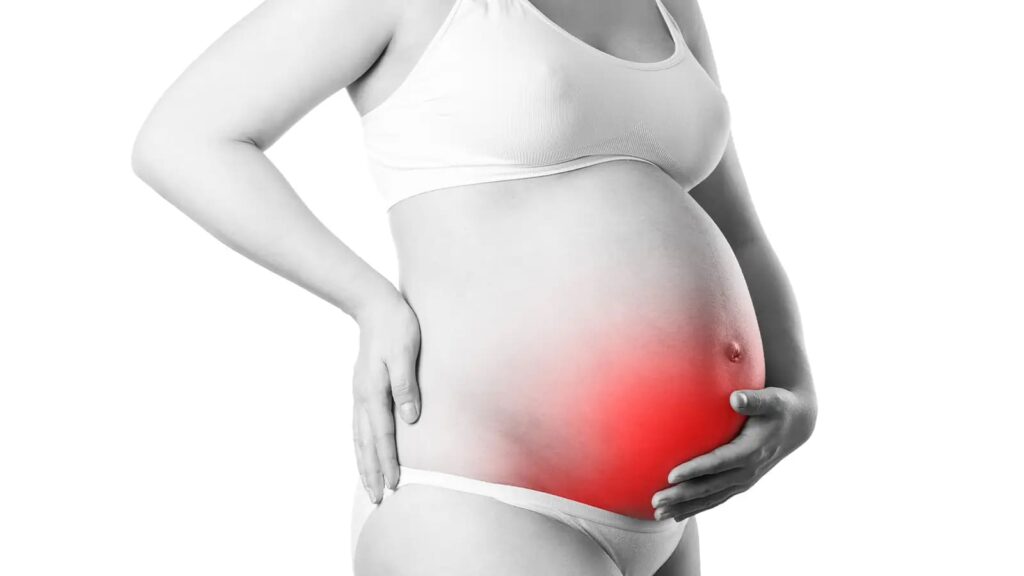
Early pregnancy symptoms can vary, so it’s important to monitor your health closely.

It’s also easy to mix up pregnancy bleeding with a delayed period or bleeding during implantation. But with cramps, back pain, or passing tissue, it could be a warning sign. Better safe than sorry.

2. Severe Abdominal or Back Pain

A little cramping is just fine during pregnancy, but severe pain or unexpected pain in your lower abdomen or back could mean something is wrong. They can be a lot like horrible period cramps but last longer or move more forcefully.

If you are wondering what does a miscarriage feels like, the majority of women describe the pain as dull and constant or stabbing and cutting. If you also experience bleeding or have the impression that something is off, call your doctor right away.

3. Sudden Loss of Pregnancy Symptoms

Sudden, unannounced and abrupt disappearing of pregnancy symptoms like sore breasts, nausea, and tiredness can signal that something is wrong. It does not exactly mean miscarriage, but sudden radical change is something to watch out for. 

This may also be a sneaky sign of silent miscarriage, where the body resorts to withdrawing its support for the pregnancy and does not display the usual indications of bleeding or cramping. Most cases demand an ultrasound or a blood test for substrate of what is happening.

4. Passing Tissue or Clots

Gray or white tissue, or clots, passing through the vagina is a definite sign to call your doctor. This tissue sometimes can look like a thick mucus, but it’s certainly different from your normal spotting or mucus.

Aside from this tissue, you can also have heavy bleeding or cramping. If you do pass something abnormal, it’s best to retain it (if at all possible) and take it in to have your provider look at it, this can help them understand what’s happening.

5. Severe Fatigue or Weakness

Being tired is typical for any pregnant woman; sudden fatigue accompanied by dizziness or weakness may be a sign of trouble. If you are so tired that it is pretty much impossible for you to get through the day, seek medical attention. 

Severe fatigue can sometimes connect to miscarriage risk factors, like hormone issues or even internal bleeding. Just hear your body, extreme tiredness isn’t something to ignore.

Understanding miscarriage risk factors helps women take better care during pregnancy.

6. Severe Uterine Contractions

Get a feeling that your belly is tightening or contracting rhythmically, just like mini labor pains, and it may actually be an early sign of miscarriage. Such contractions could be fun to be with and could interfere with your daily activities.

If you are confused between miscarriage and period symptoms, know that miscarriage cramps are usually stronger, and they go away unlike normal period cramps; trust your gut feelingif it feels wrong, it probably is.

7. Lower Back Pressure or Pain

A sore lower back can be part of any pregnancy, but a nagging, persistent pain that does not abate could be an indication that there is something wrong. This can stay in your back or travel down your legs.

Most women write off this as another pregnancy symptom. But if you also notice spotting during pregnancy, it’s smart to check in with your doctor just to be safe.

8. Chills or Fever

Chills or a slight fever are not regular occurrences during pregnancy. At a level of temperature of 100.4°F or above, it is best to call up your healthcare provider, especially if there are other symptoms such as cramps or bleeding. Other symptoms of miscarriage coincide with fever, such as infections or some serious problem. Medical intervention should be sought before it is too late.

9. Unexplained Weight Loss

Sudden weight loss, especially during early pregnancy, is a warning sign. Your body is meant to gain weight in order to support your baby, so weight loss means something is wrong. It typically happens when pregnancy hormones reduce. If you also notice that your belly feels less bloated or your breasts are less swollen, this could point to early signs of miscarriage. Don’t take changes such as these lightly.

Recognizing the signs of miscarriage early is crucial for every expecting mother.

10. Fetal Movement Reduces (in Late Pregnancy)

Before the 18th or 20th week, there won’t be much movement to feel; however, if the woman is past that stage of pregnancy but notices any reduction in movement or absolute cessation of that movement, it can be a serious matter to keep an eye on. Always inform your physician if there is a sudden decrease in movement. A big reduction in activity might mean bleeding during pregnancy or another complication. Trust your instincts; if something feels off, go and get it checked.

Possible Causes and Risk Factors for Miscarriage

All sorts of things can cause miscarriages either related to genetics, hormonal changes, or perhaps an infection. Other risk factors include age, smoking, drinking alcohol, and certain pathologies. Knowing your miscarriage risk factors helps you stay on top of your health.

Some women have physical problems that raise their risk of miscarriage, such as problems with the shape of the uterus. Your doctor will inform you whether or not you have any of these risks.

When to See Medical Advice

If you feel any of the early signs of miscarriage, don’t wait, phone your doctor. They can ask you to take blood tests or an ultrasound to check what is happening.

Getting medical attention sooner can prevent other complications like infection or too much bleeding. Err on the side of caution, even if it is nothing.

How to Tell Miscarriage from Other Conditions

Sometimes it may be difficult to tell if it is a miscarriage or some other thing, like menstruation. Normal pricking or spotting could occur in pregnancy, but large amounts of bleeding and passing of tissue usually indicate a miscarriage.

This can also be confused with ectopic pregnancy. But please never disturb yourself by making an educated guess; it is only your doctor who can tell the real story.

Emotional Impact of Miscarriage

By miscarrying, it is not just physical but emotional as well. Feelings of sadness, anger, or confusion are normal. It’s all right to grieve and to seek support from family and friends or a counselor.

Many women remain troubled about the future after suffering such loss. Talking to your doctor about the miscarriage and, more importantly, concerning the prospects ahead can help calm an anxious mind. You are not alone.

Having a little knowledge about what a miscarriage looks like will put you in a place of power about your pregnancy. Most of the time, all is well, but if just something feels off, go with your gut and have it checked. 

If you see things like spotting during pregnancy or heavy cramping, don’t wait. It just might be the one phonecall that will determine the fate of your health and of your baby’s.

Network Insurances
  • Aetna Better Health
  • Aetna HMO
  • Aetna POS
  • Aetna PPO
  • Ambetter
  • Ascension Health
  • BCBS
  • BCBS Community Health Plan
  • BCBS HMO & PPO
  • Bright Health
  • Cigna
  • CIGNA Healthspring Medicare Advantage
  • Cigna HMO
  • Cigna POS
  • Cigna PPO
  • Clear Spring
  • Countycare
  • GEHA
  • Health Network Option (Open Access)
  • HealthLink PPO
  • Humana
  • Medicaid IL
  • Medicare Advantage
  • Meritain Health
  • Meridian
  • Molina Healthcare
  • MultiPlan
  • PHCS
  • SmartHealth
  • Tricare
  • Unite Here Health
  • United Health Care
  • Valence
  • WellCare