
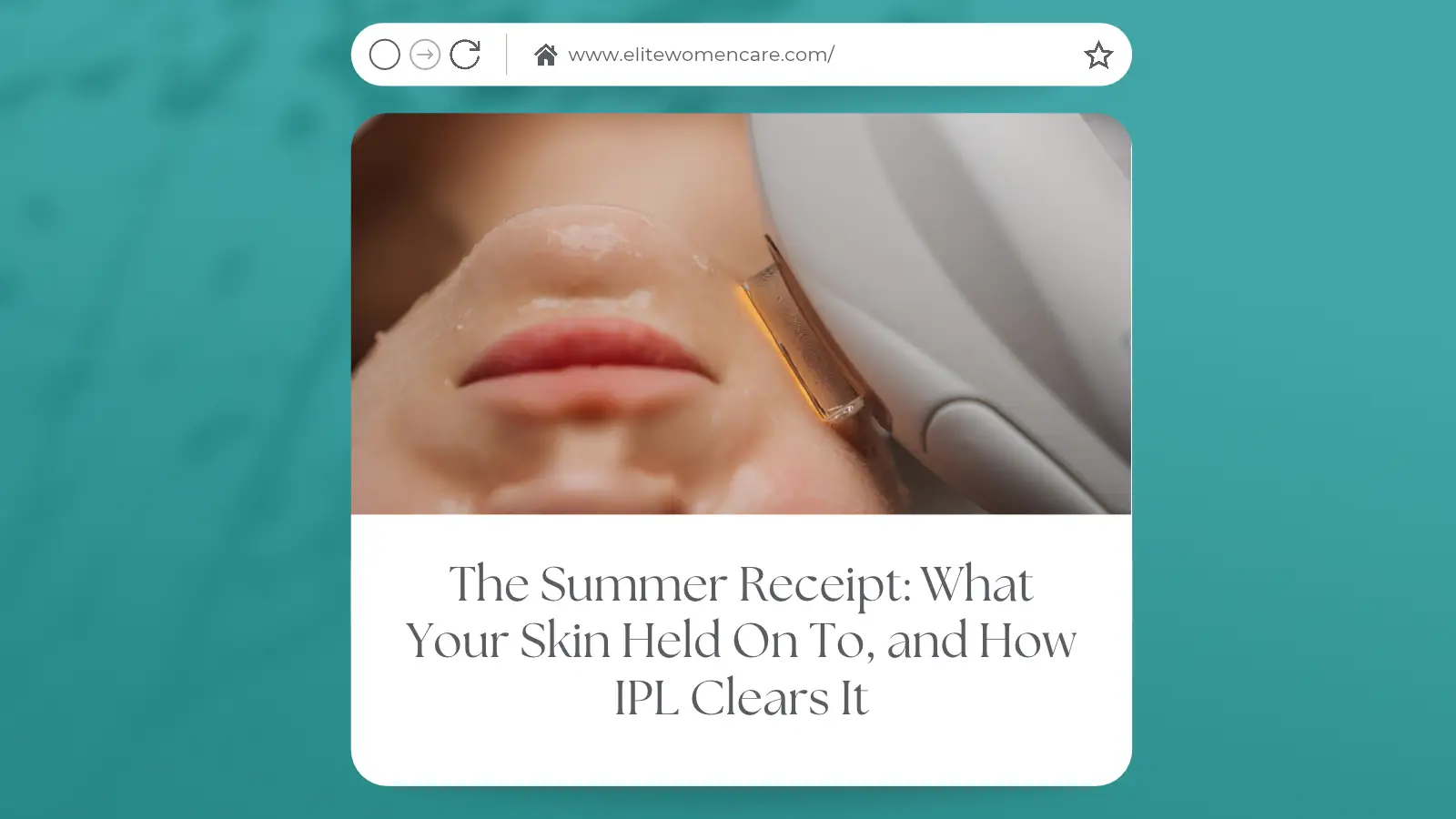
The Summer Receipt: What Your Skin Held On To, and How IPL Clears It
Summer always sends a bill, and for most of us it arrives once the leaves start to turn. If the mirror is suddenly showing freckles that refuse to fade, a flush across the cheeks, or a patchy tone that foundation no longer covers, an IPL photofacial is one of the most efficient ways to settle that account before winter.
The timing matters more than most people expect. Light based treatments perform best on skin that isn’t actively tanned and isn’t about to spend its weekends at the pool. In the northwest suburbs, that window opens right about now and stays open until spring, which explains why questions about pigment and redness fill our consultation calendar every autumn.
What the Sunny Months Leave Behind
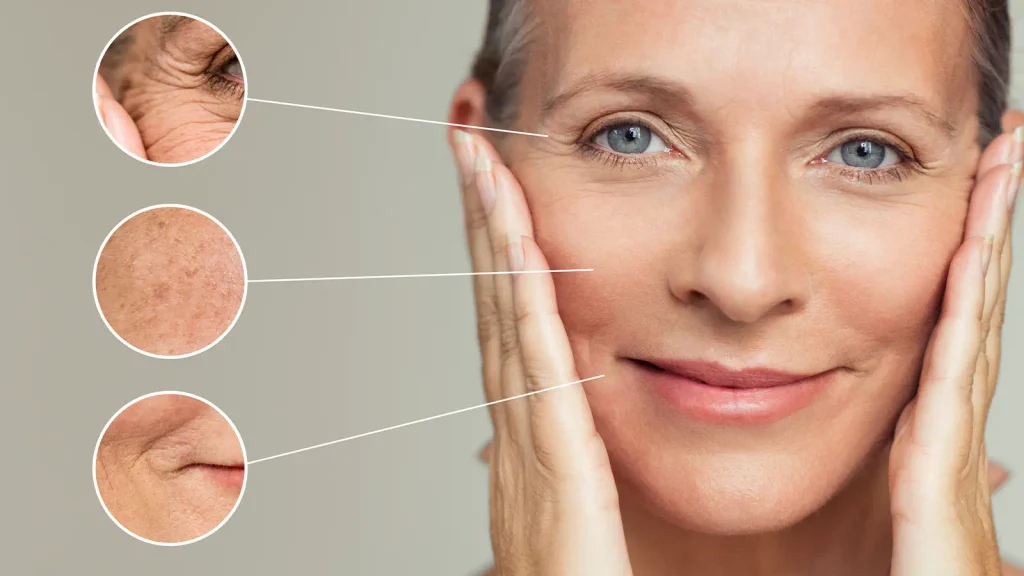
Very little of the damage from summer actually shows up during summer. UV exposure wakes up melanocytes, the cells that make pigment, and the extra pigment they produce rarely spreads out evenly. It clusters. Several weeks later it surfaces as sun spots on the face, the chest and the backs of the hands, usually alongside a dullness that makes skin read a few years older than it is.
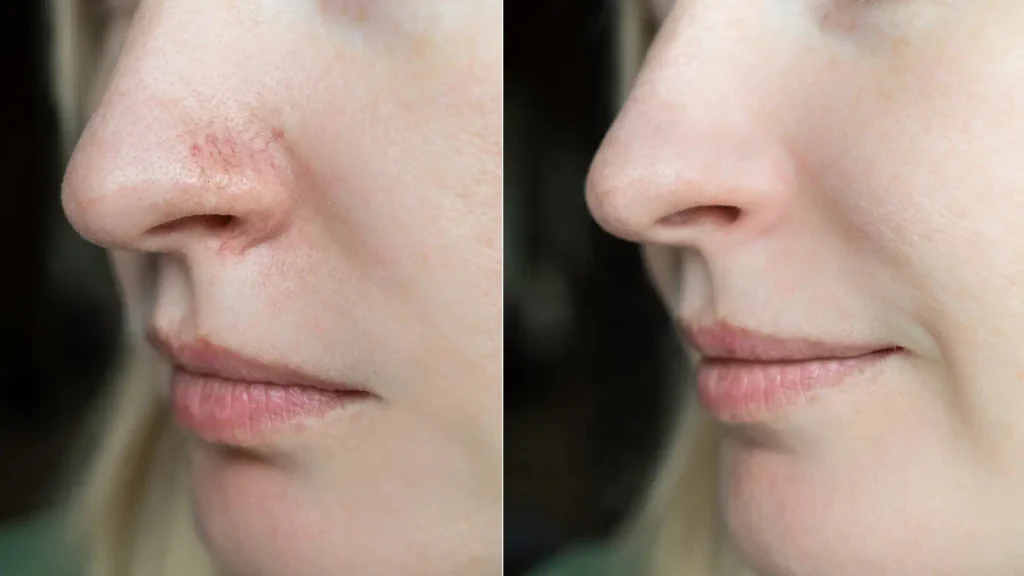
Heat and sunlight also dilate the small vessels near the surface. For some women that means a few new threadlike capillaries beside the nose. For others, particularly anyone with a tendency toward rosacea, it means a background flush that never quite calms down, even after the weather cools.
None of this is an emergency. It is information, and it happens to be very treatable.
Light, Filtered With Intent
The IPL in IPL photofacial stands for intense pulsed light. A laser delivers one precise wavelength, while IPL releases a broad band of light and uses filters to aim it at specific colors in the skin. Brown pigment absorbs that energy and fragments. Hemoglobin inside tiny surface vessels absorbs it as well, which causes those vessels to close and gradually fade from view.
The skin around those targets is left largely alone. That is the reason most patients go back to work, errands or school pickup the same afternoon. Many describe each pulse as a quick warm snap, similar to a rubber band, that is over in a fraction of a second.
When patients come to us for IPL treatment in Hoffman Estates, the first conversation is never about the device. It is about what we see under magnification, how your skin has reacted to past treatments, and what you want to stop noticing in photos. Our V-IPL system lets our providers adjust filters and energy for each concern, so a session aimed at redness looks quite different from one aimed at freckles.
Matching the Concern to the Plan
Every face is different, but the patterns are consistent enough to sketch out.
| What you’re seeing | What IPL does | Typical plan |
|---|---|---|
| Age spots and sun spots | Breaks up surface pigment so spots darken, then shed | A short series, spaced about a month apart |
| Freckling and blotchy tone | Evens out scattered pigment across the face | Series of sessions, then periodic maintenance |
| Persistent flushing | Reduces diffuse redness and visible vessels | Series of sessions plus yearly touch ups |
| Broken capillaries | Closes small surface vessels | Often one to three sessions |
| Active acne | Calms inflammation and breakouts | A longer series, up to ten visits |
| Dull, tired texture | Encourages gradual collagen renewal | Pairs well with other treatments |
For many of our patients, rosacea redness is the real reason they book. IPL does not cure rosacea, and anyone promising that is overselling. What it can do is reduce the visible vessels and the constant pink cast that make the condition so frustrating to live with. Plenty of patients find they reach for color correcting primer far less often once their series is complete.
A Brown Spot Is Not Always a Sun Spot
This is the part of the consultation that saves people the most money and the most disappointment.
Melasma, the hormonal pigment that often appears during pregnancy or while taking birth control, can look a lot like sun damage. It behaves very differently. Heat can provoke it, and an aggressive approach can leave it darker than before. Effective hyperpigmentation treatment for melasma usually means conservative settings, medical grade skincare such as our ELITE® line, strict sun protection and patience. In some cases, IPL is not the first tool we would reach for at all.
Skin tone matters too. IPL is best suited to lighter and medium complexions, because deeper skin absorbs more of the light outside the target and the risk of burns or new discoloration goes up. That does not leave you without options. Treatments such as Secret RF microneedling address texture and tone with far less risk for melanin rich skin.
Why Fall Beats Spring
There is a reason aesthetic practices across the Midwest get busy once the leaves turn. The case for fall skin treatments comes down to biology and logistics.
A tan is effectively a contraindication for an IPL photofacial. When the surrounding skin is full of fresh pigment, it competes with the spots you actually want to treat, and the chance of side effects rises. A few weeks into fall, most of that summer color has faded on its own.
Aftercare also asks you to stay out of direct sun for at least two weeks. That is a small request during a gray Illinois autumn and a big one during a summer spent at the lake.
The best season to treat sun damage is the one where you are getting the least of it.
Then there is the calendar. A series that begins in early fall wraps up comfortably before the holidays, which means clearer skin for family photos and fewer minutes spent on makeup during busy mornings.

The Fourteen Days After a Session
Knowing what is normal makes the healing period far less stressful, so here is what the two weeks after a session usually look like.
In the first hours, skin feels warm, a lot like a mild sunburn. Redness generally settles anywhere from a few hours to two days later, and a cool compress makes that stretch more comfortable.
Around days two through five, treated spots turn darker, sometimes almost like coffee grounds sitting on the surface. That is the pigment rising, and it is exactly what should happen. Treated vessels can also look a little darker before they fade.
Between days seven and ten, those darkened spots flake away. Picking at them is the fastest way to invite irritation, so let them go at their own pace.
Over the following weeks, tone keeps evening out as the skin renews itself. Results build gradually and tend to look better after the second and third sessions than after the first.
A few rules make a real difference during this period:
- Daily broad spectrum SPF 30 or higher, even on gray days and indoors near windows
- No retinoids, AHAs, BHAs or vitamin C serums for at least one week
- No saunas, steam rooms, hot showers, alcohol or hard workouts for 48 hours
- Acetaminophen for discomfort instead of ibuprofen or aspirin, which can increase bruising
Before You Book: Who IPL Suits Best
IPL tends to be a strong fit if you are dealing with sun spots, freckling, redness or broken capillaries, have a lighter to medium skin tone, and are not carrying a fresh tan. We generally postpone treatment during pregnancy, after recent isotretinoin use, or while you are taking medications that increase sensitivity to light. A history of co
ld sores, keloid scarring or pigment changes after previous treatments should also come up during your visit.
Settling the Account
The spots and redness collected over one summer do not have to become a permanent part of your face. Treated early and in the right season, most of them fade with surprisingly little disruption to your routine.
Our team at Elite Women’s Care sees patients at 1555 Barrington Road, Suite 415, in Hoffman Estates, a short drive from Schaumburg, Barrington, Palatine and Streamwood. Book a free consultation online or call (847) 781-1894 to map out a series while the season is still on your side.
Summer gets the credit for the memories. Fall can take care of the receipt.



Comment (01)