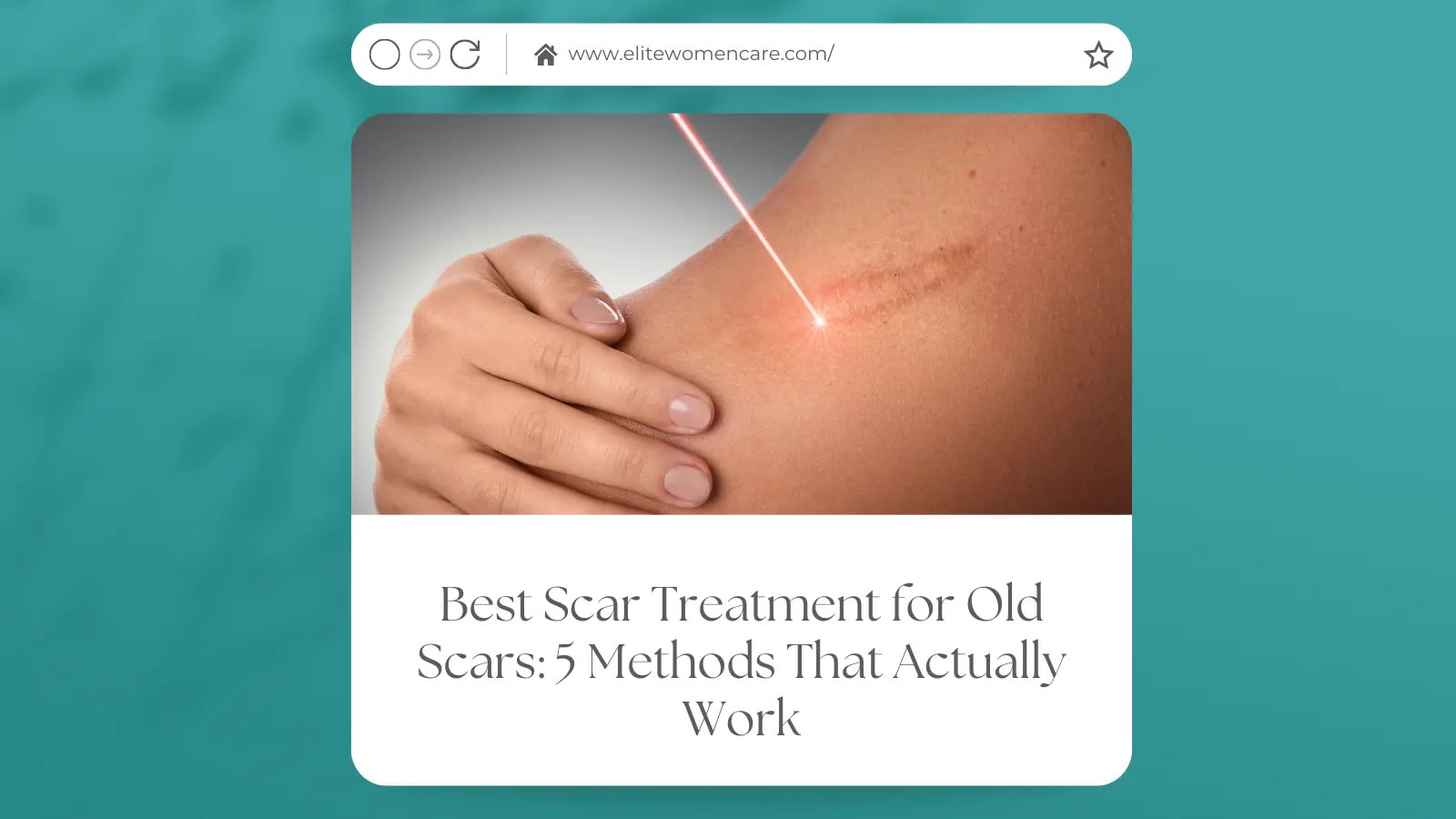
Best Scar Treatment for Old Scars: 5 Methods That Actually Work
Last updated: October 27, 2026 · Elite Women’s Care Med Spa, a physician-led practice in Hoffman Estates, IL
Quick answer: The best scar treatment for old scars depends on the scar type. Indented (atrophic) acne and surgical scars respond best to fractional laser resurfacing or RF microneedling, raised (hypertrophic) scars to silicone gel plus in-office treatment, and keloids to steroid injections. Creams can soften and lighten old scars, but they rarely change texture on their own.
Key takeaways
- A scar is considered “mature” (old) about 12 to 18 months after the injury. Mature scars need treatments that remodel collagen, not just moisturize the surface.
- Fractional laser and RF microneedling give the most visible texture improvement for old scars, usually over 3 to 6 sessions spaced 4 to 6 weeks apart.
- Silicone gel or sheets are the most studied at-home option, especially for raised scars, but expect months of daily use.
- Natural remedies like aloe or honey can soothe skin; lemon juice and other DIY acids can irritate and darken scars, especially on darker skin tones.
- Surgical scar revision is reserved for wide, tight or deeply tethered scars that do not respond to non-surgical care.
What counts as an “old scar”?
Every scar goes through inflammation, rebuilding and remodeling. During the first year the scar is still active and often pink or raised. Once it turns flat, pale or white and stops changing, usually after 12 to 18 months, it is considered mature. That is why many products that help new scars do little for old ones: the collagen inside a mature scar is already set and has to be broken down and rebuilt to look different.
Old scars generally fall into four groups, and each one needs a different plan:
- Atrophic (indented) scars: rolling, boxcar or ice-pick acne scars and some chickenpox scars.
- Hypertrophic (raised) scars: thick scars that stay inside the original wound line, common after surgery or C-sections.
- Keloids: scars that grow beyond the original wound.
- Discolored flat scars: white, brown or red marks with little change in texture.

Old scar treatments compared
| Treatment | Best for | Typical sessions | Downtime |
|---|---|---|---|
| Fractional laser resurfacing | Indented acne and surgical scars, uneven texture | 3 to 5 | 3 to 7 days of redness |
| RF microneedling | Acne scars, stretch marks, all skin tones | 3 to 6 | 1 to 3 days |
| Silicone gel or sheets | Raised and C-section scars | Daily for 2 to 3+ months | None |
| Steroid injections | Keloids, very thick scars | Every 4 to 6 weeks as needed | None to minimal |
| Surgical revision | Wide, tight or tethered scars | 1 procedure | 1 to 2 weeks |
1. Laser therapy: the strongest option for scar texture
Laser treatment for old scars works by creating thousands of controlled micro-injuries that trigger new collagen. Fractional ablative lasers (such as CO2 or Er:YAG) resurface indented scars, while non-ablative and vascular lasers target redness and discoloration. Because each pass only treats a fraction of the skin, healing is faster than older full-surface resurfacing.
Expect gradual change. Collagen keeps remodeling for months after each session, so most patients judge results three months after their final treatment. Temporary redness, swelling and flaking are normal for several days. Skin type matters: darker skin tones need conservative settings to reduce the risk of post-inflammatory hyperpigmentation, which is why a medical assessment comes first. Learn more about our laser scar removal in Hoffman Estates.
2. Microneedling and RF microneedling
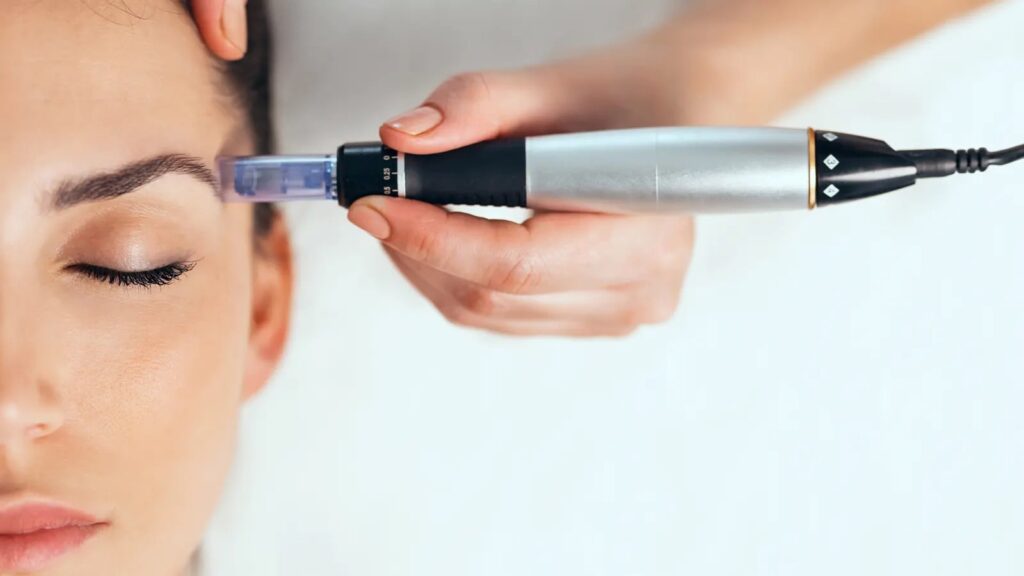
Microneedling uses fine needles to create tiny channels in the skin that stimulate collagen and elastin. Adding radiofrequency (RF) energy heats the deeper dermis at the same time, which makes it more effective for old, set scars than needling alone. It is one of the safest resurfacing options for darker skin tones because the energy is delivered below the surface.
Most patients need three to six sessions about a month apart. Professional treatment reaches depths that at-home rollers cannot, and at-home devices carry a real risk of infection and irritation. See what a session involves in our guide to Secret RF microneedling before and after, or read about Cutera Secret RF microneedling.
3. Does scar cream work on old scars?
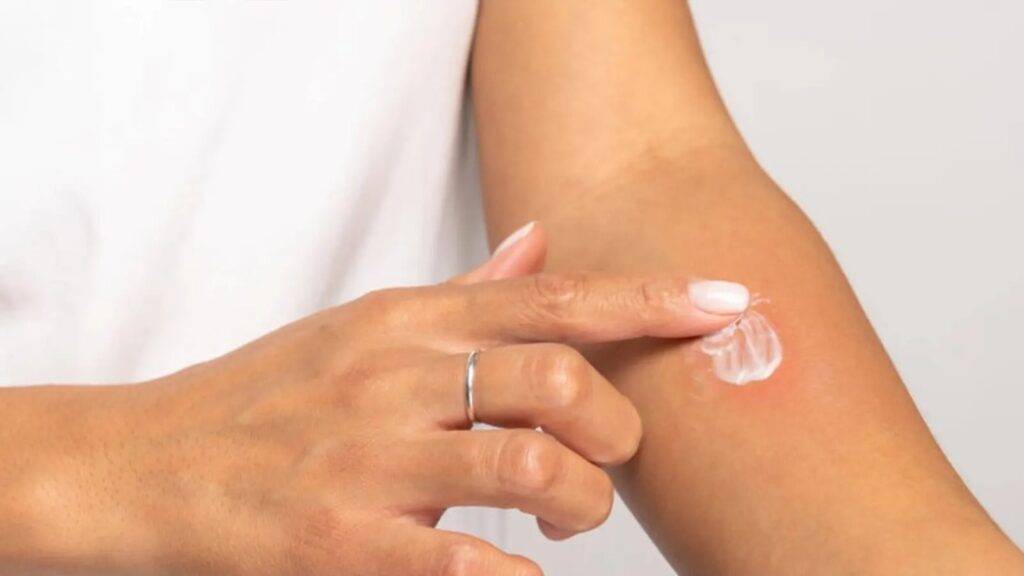
Partly. Scar creams can soften, flatten and lighten old scars, but they rarely change deep texture. The ingredients with the best evidence are:
- Silicone gel or silicone sheets: the first-line at-home choice for raised scars. Silicone hydrates scar tissue and helps regulate collagen. Use it for at least 12 hours a day for two to three months or longer.
- Retinoids: speed cell turnover and can improve the look of flat, discolored scars. Avoid them during pregnancy.
- Onion extract gels: popular, but study results are mixed compared with silicone.
- Daily sunscreen: sun exposure darkens scars, so SPF 30+ on exposed scars is essential.
Creams are a sensible first step for shallow or discolored scars and a useful add-on after in-office treatments. If you see no change after three months of consistent use, it is time to consider a professional option.
4. Natural remedies: gentle, with limits
Aloe vera and honey can calm and moisturize skin, and massage with a plain oil may help scars feel softer. These options are low risk but have limited evidence for changing an old scar’s appearance. Skip lemon juice, baking soda and other DIY acids. They can cause irritation and dark patches that are harder to treat than the original scar. Always patch-test first and protect the area from the sun.
5. Surgical options when other methods fall short
Some scars are too wide, tight or deep for resurfacing alone. Scar revision surgery removes the old scar and closes the skin in a less visible line. Punch excision treats individual deep ice-pick scars, and subcision releases indented scars that are tethered to deeper tissue. Skin grafting is generally reserved for large burn scars. These approaches involve longer recovery and are often combined with laser or microneedling afterward to refine the result.
How to choose the right treatment for your old scar
- Identify the scar type: indented, raised, keloid or discolored.
- Consider location and skin tone: face, body and darker skin tones each need different settings.
- Combine for the best result: for example, RF microneedling plus silicone gel, or laser plus daily SPF.
- Plan the timeline: most programs take three to six months to show their full effect.
If your scar is from a C-section, our article on fading C-section scars without surgery and our overview of acne, surgical and C-section scar treatment options go deeper.
Old scar treatment in Hoffman Estates, IL
Elite Women’s Care Med Spa is a physician-led medical spa in Hoffman Estates serving patients from Schaumburg, Barrington and the northwest Chicago suburbs. We assess your scar type, skin tone and goals before recommending laser, RF microneedling or a combined plan. Book a consultation or call 847-781-1894.
Frequently asked questions
Can old scars be removed completely?
Most old scars cannot be erased 100%, but they can often be made much flatter, smoother and less noticeable. Fractional laser, RF microneedling and surgical revision offer the largest improvement.
What is the best scar treatment for old scars?
For indented acne or surgical scars, fractional laser or RF microneedling usually works best. For raised scars, silicone gel combined with in-office treatment is preferred, and keloids often need steroid injections.
Does scar cream work on old scars?
Scar creams can soften and lighten old scars, but they rarely change deep texture. Silicone gel has the strongest evidence. Expect at least two to three months of daily use.
How many sessions do old scars need?
Most patients need three to six laser or RF microneedling sessions spaced four to six weeks apart, with final results visible about three months after the last session.
Is laser scar removal safe for darker skin?
It can be, with the right device and conservative settings. RF microneedling is often preferred for darker skin tones because it carries a lower risk of pigment changes.
This article is for general education and is not a substitute for a medical evaluation. Results vary from person to person.