The Most Effective Ways to Fade C-Section Scars Without Surgery
Undergoing a C-section is a life changing event, and while the joy of childbirth is unparalleled, the healing process can be challenging. For many women, one of the most prominent concerns after a C-section is the appearance of the scar. If you’re looking for effective ways to fade C-section scars without surgery, you’re not alone. Many women are exploring non surgical scar care options to restore their skin’s natural look and feel. In this article, we’ll dive into the most effective treatments that promote postpartum healing, reduce scars, and stimulate collagen for smoother skin.
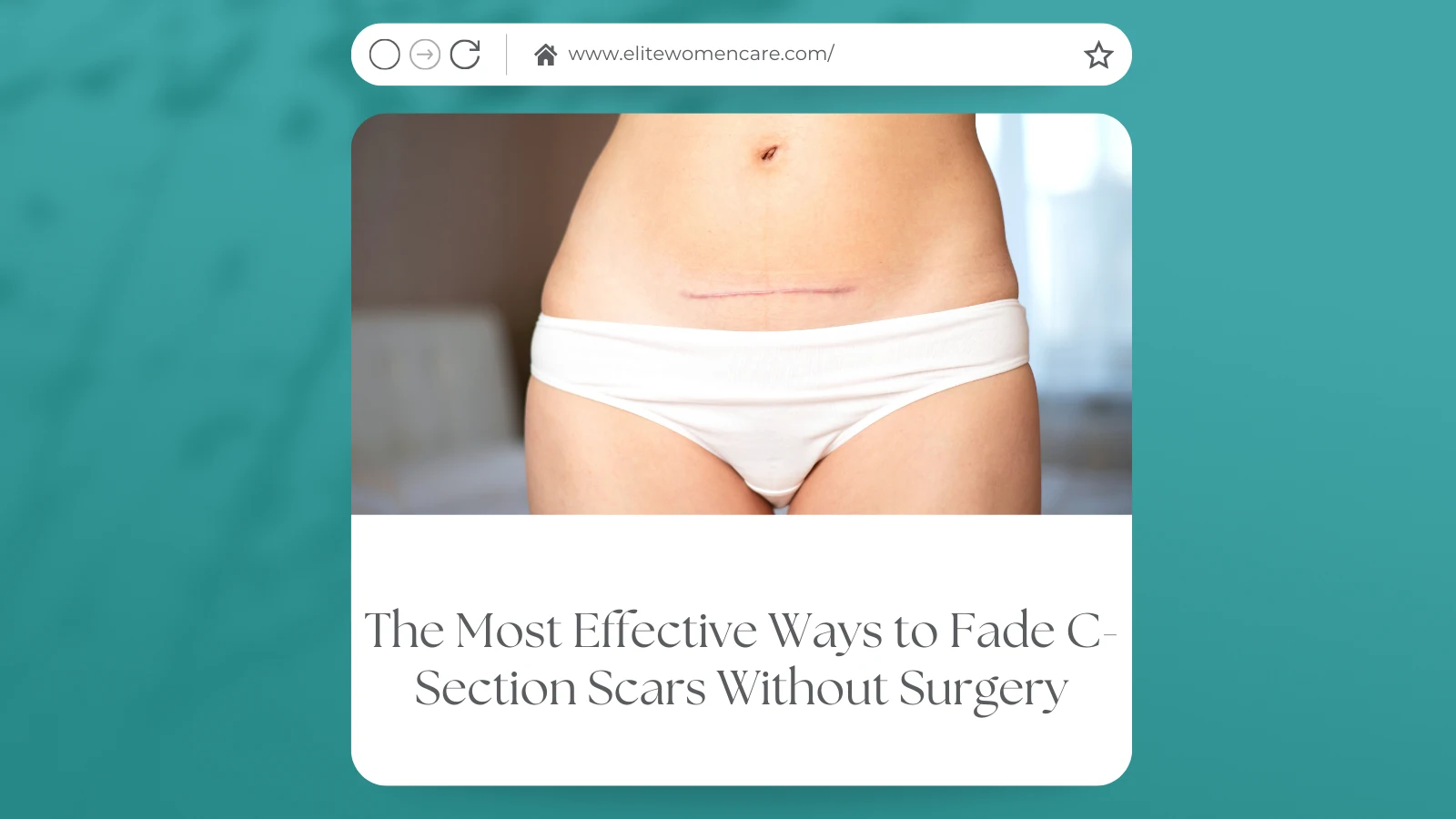
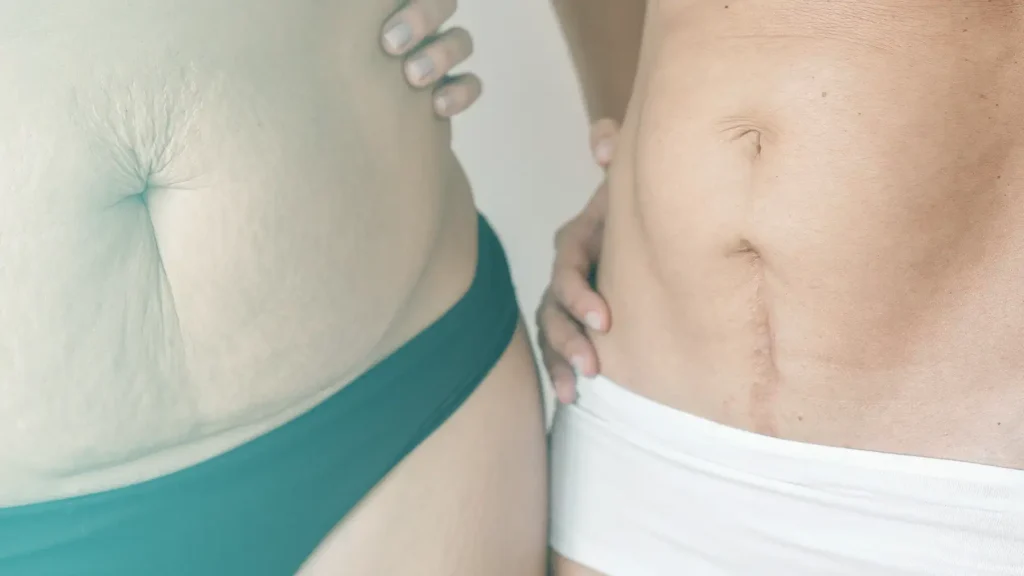
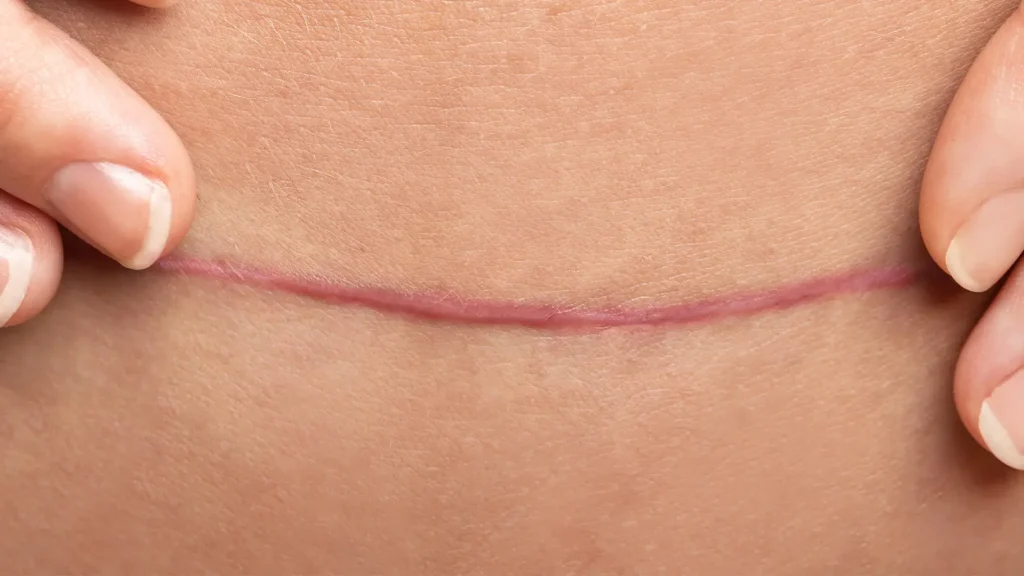
C-section scars are typically formed when the skin is cut through to allow delivery, leaving behind a horizontal scar just above the pubic line. Over time, this scar may fade, but it can often appear raised, darkened, or indented. While surgery can be an option for scar revision, many women prefer non invasive therapies that work with the body’s natural healing process. These treatments focus on scar reduction, collagen stimulation, and skin resurfacing, leading to a more even and smooth appearance.
In this blog, we will explore various methods of fading C-section scars, including topical treatments, skincare routines, and specialized therapies. The goal is to help you regain confidence in your body while avoiding the risks and downtime associated with surgical scar removal.
Non Surgical Scar Reduction Therapies
One of the most popular methods for C-section scar treatment is through non surgical scar reduction therapies. These treatments are designed to target the appearance of scars by encouraging collagen production, smoothing out skin texture, and promoting healthier skin regeneration.
Topical Treatments: A First Line of Defense
Topical treatments are a straightforward and cost-effective approach to treating C-section scars. The key to successful scar healing lies in ingredients that can promote skin cell turnover and collagen production. Some of the most effective ingredients include silicone gel, vitamin E, and retinoids.
- Silicone Gel: Silicone is one of the most scientifically proven ingredients for scar healing. Silicone gel or sheets can be applied directly to the scar area, providing moisture and creating a protective barrier that helps to reduce redness and flatten scars. This treatment has been shown to significantly improve the appearance of scars over time.
- Vitamin E: Known for its antioxidant properties, vitamin E has been used for years in the treatment of scars. When applied regularly, it helps to hydrate the skin, promote healing, and reduce scarring. However, it’s important to note that vitamin E can be irritating to some skin types, so it’s always best to do a patch test first.
- Retinoids: Retinoids, which are derived from vitamin A, are another excellent option for scar reduction. These compounds help to accelerate skin cell turnover, smoothing out the scar and promoting collagen production. While retinoids are typically used for acne scars, they can also be effective in treating C-section scars.
Microneedling: Collagen Stimulation for Smoother Skin
Microneedling is a minimally invasive procedure that uses tiny needles to create micro injuries in the skin. This stimulates the skin’s natural healing process and encourages the production of collagen, which helps to smooth and fade scars. Microneedling is particularly effective for improving the texture of C-section scars, as it helps to break down the fibrous tissue that makes the scar appear raised or indented.
During a microneedling session, a licensed professional uses a device with fine needles to create controlled punctures in the skin. This promotes blood flow, boosts collagen production, and helps the skin repair itself more effectively. Over time, the appearance of C-section scars can significantly improve, and the skin becomes firmer and smoother.
Laser Skin Resurfacing: A High-Tech Solution for Scar Healing
Laser skin resurfacing is another effective method for fading C-section scars without surgery. Laser treatments use focused light to target the skin at various depths, stimulating collagen production and encouraging the body to shed damaged skin cells. Fractional laser resurfacing, in particular, is a popular option for treating scars.
This treatment works by creating micro-wounds in the skin, which then trigger the body’s healing response. As the skin heals, it produces new, healthy tissue that can help smooth out scar tissue. Over multiple sessions, the scar’s appearance gradually improves, becoming less noticeable and more blended with the surrounding skin.
Advanced Therapies for C-Section Scars
In addition to the more common non-surgical treatments, there are several advanced therapies that offer targeted results for scar reduction.
Radiofrequency Treatments: Stimulating Collagen Deep Beneath the Skin
Radiofrequency (RF) treatments use heat energy to stimulate the production of collagen deep within the skin. This non-invasive treatment is ideal for people who want to improve the appearance of their scars without any downtime. Radiofrequency treatments are effective at increasing skin tightness and texture, making them a great option for postpartum women looking to fade C-section scars.
During an RF session, heat energy is delivered to the deeper layers of the skin, causing the collagen fibers to tighten and regenerate. This process leads to firmer, smoother skin over time, with the added benefit of improving the appearance of scars.
Platelet Rich Plasma (PRP) Therapy: Harnessing Your Body’s Healing Powers
PRP therapy, also known as the “vampire facial,” is an innovative treatment that involves drawing a small amount of your blood, processing it to isolate the platelet rich plasma, and then reinjecting it into the skin. This plasma contains growth factors that promote tissue repair, making it an excellent option for scar healing.
PRP therapy can stimulate collagen production and encourage the skin’s natural healing process. When used for C-section scars, it can help reduce the appearance of the scar by promoting regeneration of healthy skin cells and encouraging collagen to form in the affected area.
Your Path to Smoother Skin After a C-Section
C-section scars are a common concern for new mothers, but there are many non surgical treatments available to help reduce their appearance. From topical treatments to advanced therapies like microneedling and laser resurfacing, there are effective ways to promote healing and improve the skin’s texture. Collagen stimulation plays a key role in scar reduction, and many of these treatments are designed to harness your body’s natural ability to repair and regenerate tissue.
It’s important to remember that healing takes time, and results vary from person to person. Consistency is key when it comes to scar treatment, so stick to your chosen regimen and be patient as your skin heals. Whether you choose microneedling, topical treatments, or advanced therapies, your skin will gradually return to its natural state, and you’ll feel more confident in your postpartum body.
If you’re unsure about which treatment is right for you, it’s always a good idea to consult with a dermatologist or skincare professional. They can guide you toward the best non surgical scar care solutions based on your skin type and individual needs.
Postpartum healing can be a challenging journey, but with the right treatments, you can minimize the appearance of your C-section scar and restore the smooth, glowing skin you deserve.