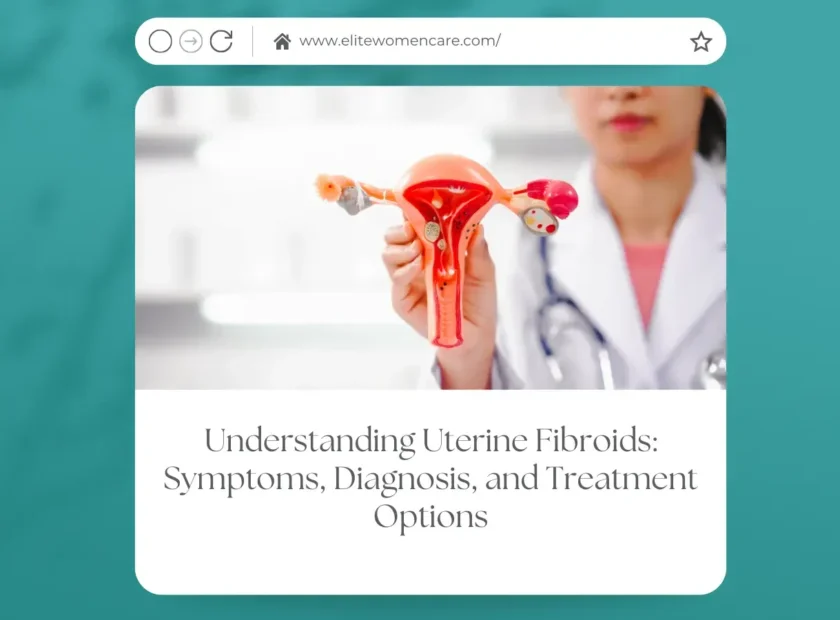
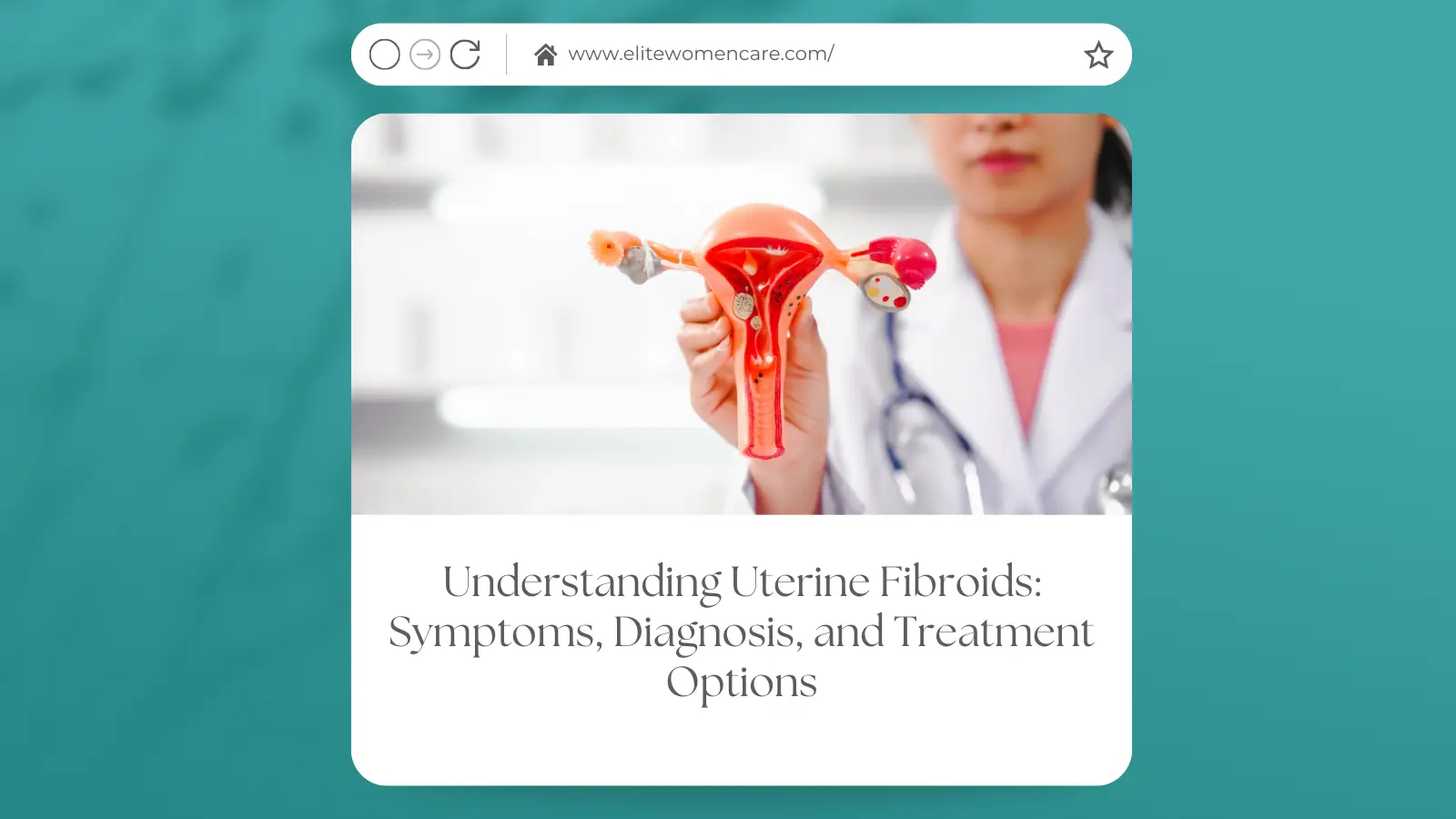
Understanding Uterine Fibroids: Symptoms, Diagnosis, and Treatment Options
If you have been experiencing unusual pelvic pressure or discomfort lately, you might be searching for information on uterine fibroid symptoms to understand what is happening within your body. These noncancerous growths of the uterus often appear during childbearing years and can significantly impact a woman’s quality of life. While they are not typically associated with an increased risk of uterine cancer, the physical and emotional toll they take is very real for millions of women worldwide.
Navigating the complexities of reproductive health can be daunting, especially when faced with persistent pain or cycle irregularities. Identifying uterine fibroid symptoms early is the first step toward regaining control over your health and daily routine. Many women live with these growths for years without realizing they are the source of their fatigue or pelvic heaviness, often dismissing the signs as “just a normal part of being a woman.”
Understanding the landscape of women’s health requires a deep dive into how these benign tumors develop and manifest. Research into uterine myoma causes suggests that a combination of genetic changes, hormones like estrogen and progesterone, and other growth factors play a pivotal role in their formation. By exploring these underlying factors, we can better appreciate why some women are more prone to developing fibroids than others.
In this comprehensive guide, we will explore everything from the initial signs to the latest medical advancements. Whether you are seeking heavy period relief or exploring non surgical fibroid removal, this article provides the insights needed to make informed decisions. Let’s delve into the details of diagnosis and the various pathways available for effective management and recovery.
Recognizing the Signs and Identifying Uterine Myoma Causes
The clinical presentation of fibroids can vary wildly from one patient to another, depending largely on the size, number, and location of the growths. When discussing uterine fibroid symptoms, most women report a combination of heavy menstrual bleeding, periods lasting more than a week, and pelvic pressure or pain. Some may also experience frequent urination, difficulty emptying the bladder, or even backaches and leg pains, which occur when large fibroids press against nerves or organs.
While the exact etiology remains a subject of ongoing medical study, looking into uterine myoma causes reveals that fibroids contain more receptors for estrogen and progesterone than normal uterine muscle cells do. This hormonal sensitivity explains why fibroids often shrink after menopause when hormone levels drop significantly. Additionally, insulin like growth factors and extracellular matrix (ECM) alterations are believed to contribute to the fibrous consistency of these tumors.
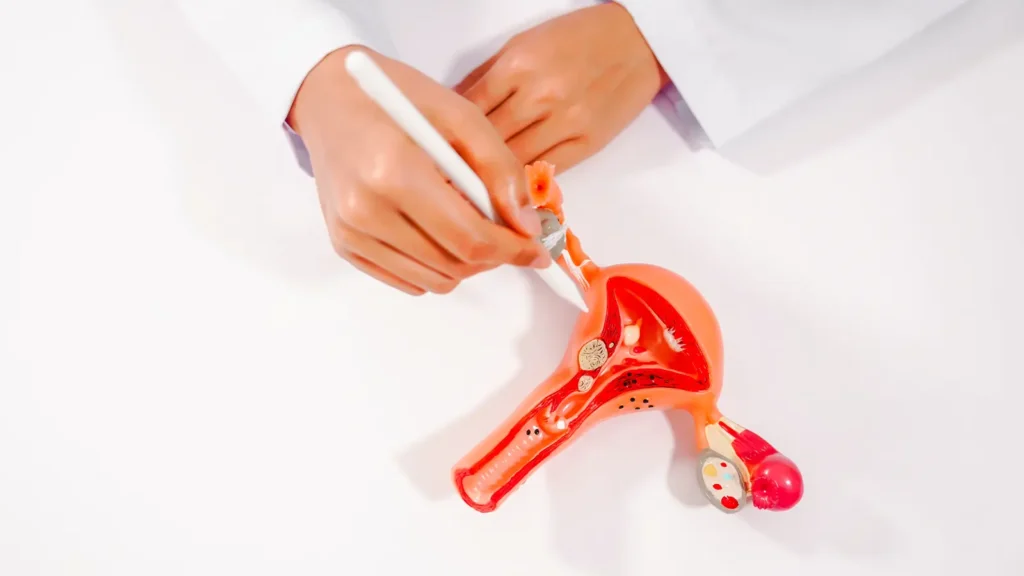
It is important to note that many women have fibroids and experience no symptoms at all. In these cases, the growths might be discovered incidentally during a routine pelvic exam or prenatal ultrasound. However, for those who do suffer, the impact on lifestyle and fertility can be profound. Identifying the specific uterine myoma causes in an individual case often involves looking at family history, as a genetic predisposition frequently plays a major role in their development.
The psychological burden of dealing with chronic pelvic issues should not be underestimated. Constant worry about leakage or the sudden onset of pain can lead to anxiety and social withdrawal. By validating these uterine fibroid symptoms as legitimate medical concerns rather than “just a heavy period,” healthcare providers can offer better support and more targeted interventions for their patients.
The Path to an Accurate Fibroid Diagnosis
The journey toward relief always begins with a definitive fibroid diagnosis. Usually, the process starts with a physical pelvic examination where a physician may feel irregularities in the shape of the uterus. To confirm the presence of these growths, doctors typically order imaging tests, with ultrasound being the most common first step. Ultrasound uses sound waves to create a picture of the uterus, allowing the technician to map the location and measure the size of each fibroid.
If an ultrasound does not provide enough detail, further imaging like an MRI may be recommended. An MRI is particularly helpful for women with larger uteri or those nearing menopause, as it provides a clearer distinction between fibroids and other types of tumors. This level of detail is crucial for a fibroid diagnosis because it helps surgeons and specialists determine which treatment modality will be most effective based on the vascularity and exact positioning of the growths.
In some instances, more invasive diagnostic procedures are necessary to rule out other conditions. Hysterosonography, also known as a saline infusion sonogram, involves using sterile saline to expand the uterine cavity, making it easier to see submucosal fibroids that protrude into the womb. This step is often vital for women seeking heavy period relief, as these specific types of fibroids are usually the primary culprits behind excessive bleeding and reproductive challenges.
- Pelvic Ultrasound: The gold standard for initial detection and monitoring.
- Magnetic Resonance Imaging (MRI): Provides high resolution images for complex cases.
- Hysteroscopy: A small telescope is inserted through the cervix to examine the uterine walls directly.
- Lab Tests: Blood counts are often checked to screen for anemia caused by chronic blood loss.
Once a formal fibroid diagnosis is established, the conversation shifts toward management. Doctors will consider the patient’s age, desire for future pregnancy, and the severity of the uterine fibroid symptoms before recommending a specific path. This personalized approach ensures that the chosen intervention aligns with the patient’s long term health goals and lifestyle preferences.
Exploring Modern Fibroid Treatment Options
Today, patients have access to a wide range of fibroid treatment options that vary from watchful waiting to major surgery. For those with mild symptoms, medications that regulate the menstrual cycle or address hormonal imbalances may be sufficient. Gonadotropin releasing hormone (GnRH) agonists are often used to trigger a temporary “mini menopause,” which shrinks the fibroids and provides temporary heavy period relief before a planned surgical procedure.
For women who wish to avoid traditional surgery, non surgical fibroid removal techniques have become increasingly popular. Uterine Artery Embolization (UAE) is one such method, where small particles are injected into the arteries supplying the uterus, cutting off the blood flow to the fibroids and causing them to shrink over time. This approach allows for a much faster recovery period compared to a hysterectomy or myomectomy.
Another cutting edge choice among fibroid treatment options is MRI guided Focused Ultrasound Surgery (FUS). This non invasive procedure uses high energy ultrasound waves to heat and destroy the fibroid tissue while the patient lies inside an MRI scanner. Because it requires no incisions, it is often a preferred non surgical fibroid removal method for those who qualify based on the size and location of their tumors.
- Hysterectomy: The surgical removal of the uterus, providing a permanent cure for fibroids.
- Myomectomy: Surgical removal of individual fibroids while leaving the uterus intact, preserving fertility.
- Laparoscopic Surgery: A minimally invasive approach using small incisions and specialized cameras.
- Endometrial Ablation: A procedure that destroys the lining of the uterus to reduce heavy bleeding.
Despite the efficacy of these methods, the choice of fibroid treatment options must be balanced with the patient’s future plans. While a hysterectomy guarantees that fibroids will not return, it ends the possibility of pregnancy. Conversely, non surgical fibroid removal or myomectomy may allow for future conception, though there is a slight risk that new fibroids could develop in the future.
Seeking Heavy Period Relief and Long Term Wellness
One of the most urgent concerns for patients is finding immediate heavy period relief. Prolonged and excessive bleeding can lead to iron deficiency anemia, causing chronic fatigue, dizziness, and shortness of breath. While treating the fibroids themselves is the long term goal, managing the symptoms often involves the use of tranexamic acid or nonsteroidal anti inflammatory drugs (NSAIDs) to reduce blood flow and cramping during the cycle.
Progestin releasing intrauterine devices (IUDs) are also frequently utilized to provide heavy period relief. While an IUD does not shrink the fibroids, it can significantly lighten the menstrual flow, making daily life much more manageable for those not yet ready for non surgical fibroid removal. Understanding the connection between uterine myoma causes and blood vessel regulation within the uterus helps researchers develop even more targeted hormonal therapies for the future.
For many, the ultimate goal is a life free from the constraints of reproductive pain. By combining medical interventions with lifestyle changes: such as a balanced diet rich in green vegetables and regular exercise, women can sometimes mitigate the severity of uterine fibroid symptoms. Maintaining a healthy weight is particularly important, as fat cells produce extra estrogen, which may exacerbate the growth of existing myomas.
Education remains the most powerful tool for any woman dealing with this condition. Knowing that there are multiple fibroid treatment options available means that a hysterectomy is no longer the only answer. From pharmaceutical management to high tech non surgical fibroid removal, the medical field has evolved to prioritize patient choice, uterine preservation, and a faster return to normal activities.
Empowering Your Health Journey
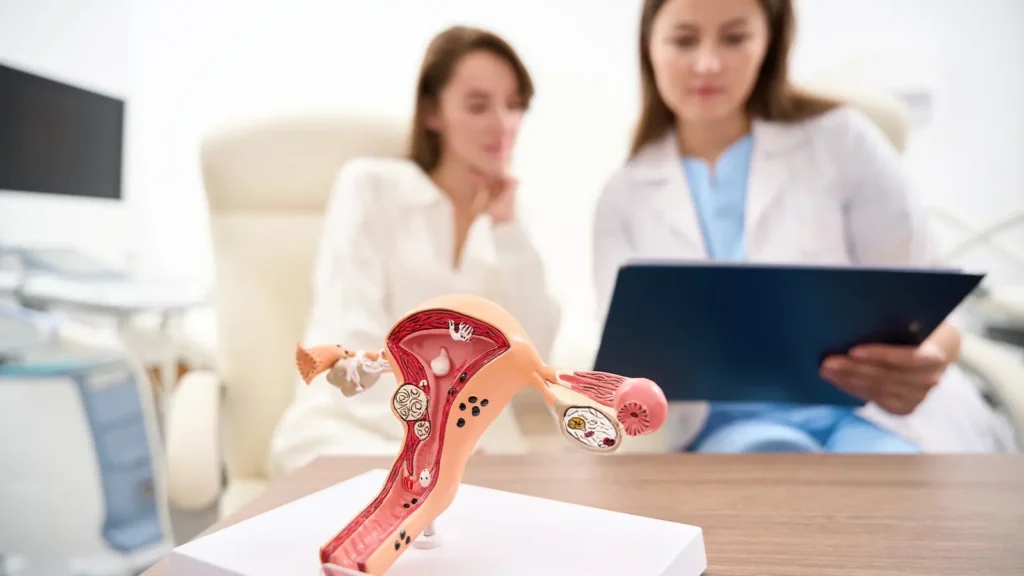
Taking the initiative to learn about uterine fibroid symptoms is a brave and necessary step toward physical autonomy. When you are equipped with the right information, the dialogue between you and your healthcare provider becomes a partnership rather than a one sided instruction. Recognizing that your pain is valid and that solutions exist can significantly reduce the emotional stress associated with chronic reproductive health issues.
As we have explored, the landscape of fibroid treatment options is broader than ever before. Whether your priority is preserving fertility, avoiding the operating room through non surgical fibroid removal, or simply finding a way to get through the month without debilitating pain, there is a path forward. By focusing on an accurate fibroid diagnosis and understanding the potential uterine myoma causes, you can tailor a recovery plan that fits your unique biological needs.
Ultimately, achieving heavy period relief and long term pelvic health is about more than just treating a growth; it is about restoring your quality of life. No woman should have to put her life on hold due to manageable medical conditions. Continue to advocate for your health, seek second opinions when necessary, and stay informed about the latest advancements in gynecological care to ensure you receive the best treatment possible.